What To Expect From The ESWL Procedure: A Realistic Guide To Kidney Stone Treatment
2026-05-26 / RG STONE HOSPITAL / Kidney Stone
Kidney stones force you to experience a very specific type of agony. The ESWL procedure usually enters the conversation right after a terrible night in the emergency room. You just want the severe pain to stop immediately. But hearing a doctor explain how sound waves smash rocks inside your body sounds like pure science fiction.
Most patients walk out of the clinic completely confused. They want to know if the machine hurts. They worry about how the broken pieces actually leave their body. You need practical facts and a clear timeline before you agree to lie down on that operating table.
The Mechanics Of ESWL Kidney Stone Treatment
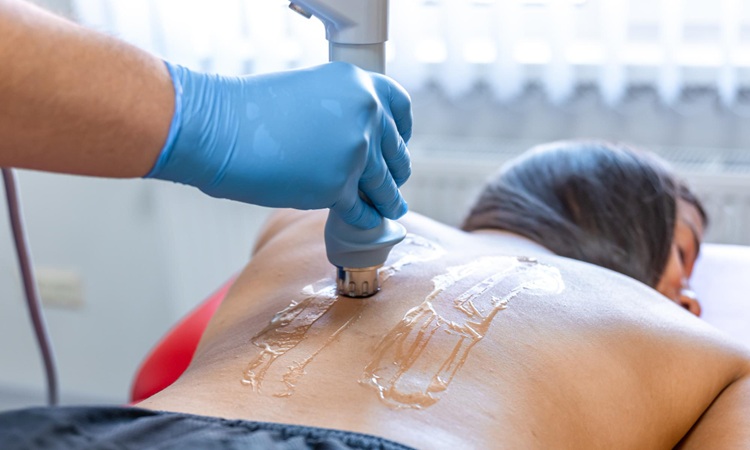
The clinical terminology sounds highly intimidating on paper. But ESWL kidney stone treatment is entirely non-invasive. The surgeon does not make a single cut on your skin. They use targeted acoustic shock waves to shatter the hard calcium formations from completely outside your body.
The machine focuses high-energy sound waves directly at the exact coordinates of your kidney. These invisible waves pass harmlessly through your soft tissue and muscle. They only release their destructive mechanical force when they hit the solid density of the targeted stone.
Why Stone Size Completely Dictates The Approach
Not every blockage qualifies for this specific machine. The urologist will measure your stone carefully on an ultrasound. The sound waves work best on stones smaller than two centimetres across. Anything larger usually requires a completely different surgical approach to remove safely.
Position matters just as much as overall size. Stones lodged deep inside the lower kidney poles are notoriously difficult to target safely. Harder stones made of pure calcium monohydrate might completely resist the acoustic pressure no matter how many times the machine fires.
A Hectic Sunday Morning In Vasant Vihar
Rahul, a 45-year-old accountant from Vasant Vihar, collapsed in his kitchen on a Sunday morning. He assumed his appendix had suddenly burst. The emergency scan revealed a stubborn eight-millimetre stone blocking his left kidney drainage tube entirely.
His urologist scheduled him for lithotripsy the very next morning. Rahul panicked about taking a month off from his corporate firm. He ended up walking out of the recovery room by Tuesday afternoon. He passed the shattered gravel three days later without missing his weekly deadlines.
Preparing Your Body For The Machine
You cannot just walk into the hospital and jump straight onto the treatment table. Your digestive tract must be completely empty first. Gas bubbles in your intestines can actually block the sound waves from reaching your kidney safely.
You will receive strict fasting instructions for the night before your appointment. The medical team will also run standard blood panels in the morning. They must ensure your kidneys are functioning properly before subjecting them to intense acoustic trauma.
Pausing Your Daily Prescriptions Safely
Bleeding is the absolute biggest risk factor here. The shock waves hit your kidney thousands of times in a row. This repetitive acoustic trauma naturally causes mild bruising on the sensitive organ tissue.
You must stop taking any blood thinners days before you arrive at the clinic. Even mild pain relievers like aspirin pose a severe bleeding risk during the session. Your doctor will provide an exact timeline for pausing and restarting your regular prescriptions safely.
The Reality Of The Operating Table
You will change into a standard hospital gown before entering the suite. The nurses will position you on a specialized examination table. Modern hospital equipment uses a soft water-filled cushion placed directly against your lower back to transmit the waves.
The doctor uses a live X-ray monitor to pinpoint the exact location of the blockage. They align the shock wave generator perfectly with that microscopic target. You will wear thick headphones to block out the loud clicking noise the generator makes while it fires.
Does The ESWL Procedure Actually Hurt
Patients always fear the physical sensation of the acoustic impacts. You are not left awake to feel the trauma. An anaesthesiologist will administer heavy sedation or light general anaesthesia before the machine ever turns on.
You might feel a dull thumping against your back as you drift off to sleep. The entire session lasts about forty-five minutes. The machine delivers roughly two to three thousand individual shock waves to pulverize the blockage into tiny fragments.
What Waking Up Actually Feels Like
You will wake up in a quiet recovery bay an hour later. Your lower back will feel incredibly stiff. It feels exactly like someone punched you firmly in the kidney.
The nurses will keep you under strict observation for about two hours. They need to monitor your vital signs and ensure you can pass urine safely. Once your blood pressure stabilizes completely, you can usually go straight home to recover in your own bed.
The Role Of A Temporary Safety Stent
Sometimes the doctor places a thin plastic tube inside your ureter before the session begins. This temporary stent keeps the drainage pathway wide open. It prevents the newly shattered gravel from piling up and causing a massive secondary blockage.
You will not feel the stent during your normal daily routine. The urologist easily removes it in the clinic a few weeks later. It acts as a necessary safety tunnel to ensure the sharp fragments exit your body without getting stuck halfway down.
Dealing With Visible Blood In Your Urine
Do not panic when you look down at the toilet bowl. Your urine will look dark red or heavily pink for several days. The broken fragments lightly scratch the sensitive lining of your urinary tract as they forcefully exit.
This bleeding is a completely normal biological reaction to the internal abrasion. It usually clears up entirely within a single week. You might also notice tiny dark specks settling at the bottom of the bowl. Those are the actual shattered remains of the blockage.
Why You Must Drink Massive Amounts Of Water
Your single biggest responsibility at home involves aggressive hydration. You must flood your system with plain water continuously. The heavy fluid volume creates severe physical pressure that physically pushes the stubborn fragments downward.
Sitting quietly on the couch waiting for the pain to pass is a terrible strategy. Walking around your house actively helps gravity pull the pieces down faster. The faster the gravel exits your body, the sooner your recovery officially ends.
When The First Session Fails To Work
Acoustic waves do not guarantee a perfect result every single time. Sometimes a large rock simply fractures into two smaller chunks instead of turning into fine dust. Those solid pieces might remain firmly stuck in your kidney.
Your urologist will order a follow-up X-ray a few weeks later to check the progress. They need to verify the drainage pathway is completely clear. If large chunks remain trapped, you might need a second session or a completely different surgical approach to finish the job.
Warning Signs You Must Never Ignore
Most patients recover at home without any major dramatic events. You will feel terribly sore and physically tired. However, certain physical reactions indicate the kidney is struggling to handle the acoustic trauma or the resulting debris.
You must seek immediate emergency medical help if you experience:
-
A sudden high fever accompanied by violent physical shivering.
-
Vomiting that prevents you from keeping plain water down.
-
Pain so severe that your prescribed medications offer absolutely zero relief.
-
Heavy bright red bleeding that contains thick blood clots.
-
An absolute inability to pass any fluid at all.
Finding Clarity And Making Your Decision
Dealing with a solid blockage drains you mentally and physically. You want a permanent solution that gets you back to your normal daily routine quickly. The acoustic method offers a highly effective escape route without requiring a massive surgical incision on your abdomen.
You do not have to endure the severe flank pain while blindly guessing about your medical options. The urology specialists at RG Hospitals can evaluate your specific clinical scans immediately. They break down the exact size of your blockage and guide you toward the safest treatment to clear your system completely.
Categories
Hernia Repair
Appendicitis
Piles
Urological Treatment
Hernia treatment
Enlarged Prostate (BPH)
Gall Bladder Stone
Urinary / Kidney Stone
Vitamins
Indian Health Care System
Exercise
Obesity
Female Urinary Incontinence
Single Incision Laparoscopic Surgery (SILS)
Kidney Cancer
Bladder Cancer
Ovarian cancer
Nephrology
Bariatric Surgery
Kidney Function Test
Female Urology
Radiation Therapy
Alcoholic Fatty Liver
Liver disease
Gastroenterology
Kidney Disease
Nutrition & Health
Lung Cancer