Uterine Fibroids: Symptoms, Causes and Treatment
2026-11-26 / RG STONE HOSPITAL / Female Urology
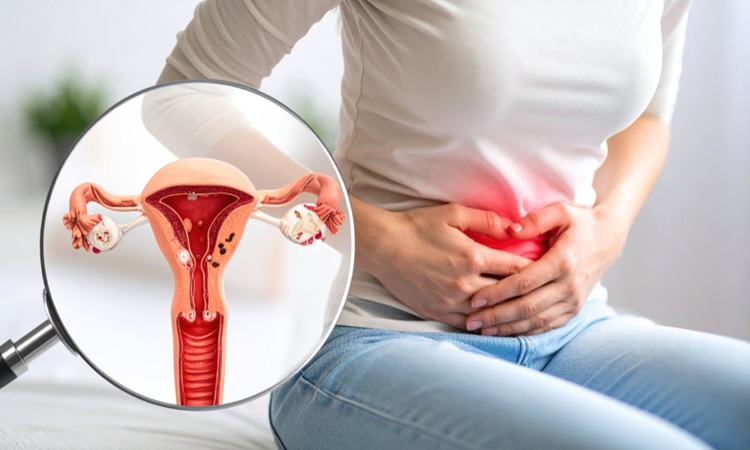
A woman in her mid-30s may have heavy periods, however may not suspect uterine fibroids. In addition, she may feel very tired and take iron tablets, but may think this is just how her body is. However, during a routine scan it is identified that she has a growth in her womb. This is a common problem in women of reproductive age. Many people may not even realise they have a fibroid. However knowing the symptoms can mean a problem can be solved much quicker.
What Are Uterine Fibroids?
Uterine fibroids are benign growths, made of muscle tissue in or upon the wall of the uterus. These can vary in size and may be as small as a seed or as large as a grapefruit. Fibroids can be present in one or multiple numbers.
Common types
-
Depending on where in the uterus the fibroids occur, different symptoms can occur.
-
Intramural fibroids occur in the muscular layer of the uterus.
-
Sub-serosal fibroids occur on the outside of the uterus. They may cause pressure on surrounding organs.
-
Sub-mucosal fibroids occur just beneath the lining of the uterus, and commonly cause very heavy bleeding.
Can Uterine Fibroids Turn Into Cancer?
Very rarely. It is extremely rare that these fibroids become cancerous. However, if they are growing rapidly or causing bleeding post-menopause, a check is required.
Common Fibroid Symptoms
Many people may have no symptoms. However, depending on size and location of the fibroid(s), fibroid symptoms may include:
-
Heavy or prolonged periods (may contain clots)
-
Pain and pressure in lower abdomen
-
Frequent urination or difficulty passing urine.
-
Difficulty with bowel movements, bloating and lower back pain.
-
Pain during sexual intercourse.
-
Fatigue due to iron deficiency following chronic blood loss.
When to see a doctor sooner
If you are having very heavy periods (soaking through a pad per hour), large clots, severe pain in pelvis, bleeding in between periods, or bleeding post-menopause then you should seek medical attention. Likewise, if you feel dizzy and breathless (potentially indicating anemia) you should see a doctor. Fibroids can make it difficult to get pregnant, or may cause issues during pregnancy. If you are trying to get pregnant, be sure to mention this to your doctor.
Uterine Fibroid Causes
Although the exact cause of fibroids is unknown, we do know some factors clearly contribute to their development.
Hormones and genetics
Oestrogen and Progesterone (hormones which cause remodelling of the lining of the uterus each menstrual cycle) appear to encourage fibroid growth. As hormone levels fall after menopause, fibroids often reduce in size. Genetics also play a role. If a relative (mother/sister) has had fibroids, you are more likely to have them.
Fibroid Treatment Options
Not all fibroids will require treatment. Decisions on what fibroid treatment to offer depends on symptoms, size of fibroids, age, and whether you wish to get pregnant in the future.
Monitoring
If fibroids are not causing any issues, your doctor may simply monitor them using regular scans. Many fibroids will remain stable. Some may reduce in size post-menopause.
Drugs
Drugs can be given to reduce heavy bleeding and pain. These include Tranexamic acid, painkillers, hormonal medications or injections, and iron tablets (to treat anaemia). Certain hormonal medications can reduce the size of fibroids; however, once treatment has finished, fibroids may return to their original size.
Procedures/Surgery
If drug treatments are insufficient, other options may be considered. Uterine artery embolisation is a procedure which blocks off the blood supply to the fibroids meaning they reduce in size. Focused ultrasound and Radiofrequency ablation destroy the fibroid tissue with minimal large incision.
Surgery for Uterine Fibroids
Myomectomy removes the fibroids but leaves the uterus intact. This is a good option for women wishing to get pregnant. Depending on fibroid location, this operation can be performed via keyhole surgery or hysteroscopy. Alternatively, Hysterectomy is performed to remove the whole uterus. This is the only treatment to prevent fibroids returning. It is generally recommended if symptoms are severe and a family is complete.
When to seek medical advice
Do not suffer through heavy periods. If you experience the above fibroid symptoms, make an appointment with a Gynaecologist. Usually by conducting a pelvic examination and ultrasound, a diagnosis can be made quickly.
At RG Hospital we can help you understand what treatment options are available to you. As fibroids are very common and treatable, it is best to get help as soon as possible to allow more options.
Categories
Hernia Repair
Appendicitis
Piles
Urological Treatment
Hernia treatment
Enlarged Prostate (BPH)
Gall Bladder Stone
Urinary / Kidney Stone
Vitamins
Indian Health Care System
Exercise
Obesity
Female Urinary Incontinence
Single Incision Laparoscopic Surgery (SILS)
Kidney Cancer
Bladder Cancer
Ovarian cancer
Nephrology
Bariatric Surgery
Kidney Function Test
Female Urology
Radiation Therapy
Alcoholic Fatty Liver
Liver disease
Gastroenterology
Kidney Disease
Nutrition & Health
Lung Cancer