Urine Infection Symptoms: Early Detection Can Save You Pain
2026-05-12 / RG STONE HOSPITAL / Urological Treatment
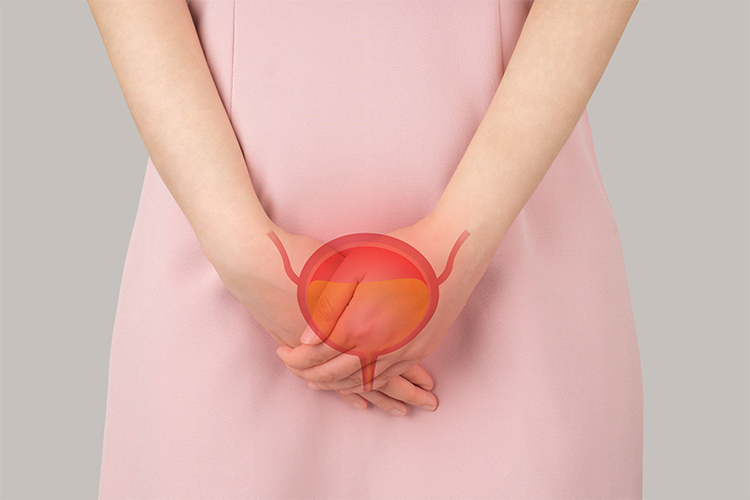
A sharp sting when you use the washroom is often the very first clue. Urine infection symptoms rarely start with a massive warning. They usually begin as a mild annoyance that you try to ignore by drinking an extra glass of water.
Most people wait a day or two to see if the discomfort fades. That delay is exactly what allows the bacteria to settle in and multiply. Knowing what those initial quiet signs look like can help you stop a minor issue before it climbs higher up into your system.
How The Bacteria In Urine Infection Actually Take Hold
Ignoring an early urine infection is common because the first signs feel so small. It usually starts when everyday bacteria find their way into the urethra and grab hold of the inner lining. Your body reacts instantly by sending inflammation to the area to fight off the unwanted guests.
That localized swelling is what creates the stinging feeling. If your system cannot flush the bacteria out on its own, they start duplicating rapidly. What begins as a small sting in the morning can easily turn into severe bladder pressure by the time you go to sleep.
The Most Common Early Warning Signs
The physical discomfort usually starts before you even realize you have an infection. Your urinary tract is lined with highly sensitive nerve endings. When bacteria inflame this delicate lining, those nerves send constant pain signals to your brain.
These initial signs usually show up first:
-
A sharp stinging or burning sensation while passing urine
-
Feeling a sudden and intense urge to use the washroom
-
Passing only tiny amounts of fluid despite a strong urge
-
A heavy pressure or dull aching in your lower abdomen
Patients often dismiss these early indicators as temporary dehydration. But if the burning sensation persists through multiple bathroom visits, bacteria have likely already established a strong presence. The stinging will only worsen as the inflammation spreads further along the tract.
Why Your Bathroom Habits Change Suddenly
That frantic urge to use the washroom is hard to ignore. You rush to the toilet feeling completely full. But then nothing happens. Or maybe just a few drops come out. This is not your kidneys working overtime.
It is actually a neurological trick. The bacteria cause your bladder lining to swell up. That swelling puts heavy pressure on the local nerve endings. Those irritated nerves tell your brain the bladder is full, even when it is totally empty.
Changes In The Appearance Of Your Urine
The physical appearance of your urine provides a clear clinical picture of what is happening internally. Healthy urine should remain relatively clear and pale yellow. An active infection changes both the color and the consistency dramatically.
You might notice the fluid looks unusually murky or completely cloudy. This cloudiness is actually caused by an accumulation of white blood cells and dead bacteria. Your immune system is actively fighting the infection, and your body is attempting to flush the cellular debris out.
Other noticeable changes often include:
-
A sudden, unusually strong or foul odor
-
Fluid that appears light pink or bright red
-
Dark, cola-colored urine indicating older blood
-
An oily or milky consistency in the toilet bowl
Visible blood in the fluid is clinically referred to as hematuria. While it looks terrifying, it is a very common reaction to severe bladder inflammation. However, it always requires immediate medical confirmation to rule out other serious complications.
The Danger Of Ignoring Pelvic Pain
Many patients experience a dull, heavy ache right above their pubic bone. This pelvic pressure happens because the infected bladder becomes swollen and highly sensitive to any physical movement. The discomfort often feels very similar to severe menstrual cramps.
If this dull ache suddenly shifts to your lower back or your sides, the infection has likely traveled upwards. This specific flank pain is a major clinical red flag indicating the bacteria have reached your kidneys. Kidney infections are severe medical emergencies that require aggressive intervention.
When A Mild Infection Becomes An Emergency
Most early infections remain confined to the lower urinary tract and the bladder. They are incredibly uncomfortable but generally easy to resolve with proper clinical care. However, certain physical signs indicate the bacteria are spreading systemically.
You must never attempt to endure severe physical pain silently at home. If the infection reaches the upper tract, the pathogens can eventually enter your bloodstream. This triggers a life-threatening systemic response called sepsis.
Seek immediate medical assistance if you experience:
-
High fevers combined with sudden body chills
-
Severe pain specifically located in your mid-to-upper back
-
Persistent nausea or episodes of vomiting
-
Extreme physical weakness or sudden dizziness
-
Confusion or sudden mental disorientation
Small Adjustments That Help Right Away
Most people naturally stop drinking water when using the washroom hurts. They think less fluid means less pain. But holding back water actually makes your urine highly acidic. That concentrated acid burns much worse when it finally passes.
You have to keep the system moving. Steady sips of water physically wash the bacteria away from the bladder walls before they multiply further. Here are a few practical steps to ease the immediate frustration:
-
Sip water constantly instead of forcing down large glasses.
-
Skip your morning coffee to avoid irritating the swollen bladder.
-
Rest a warm heating pad on your lower stomach to calm muscle spasms.
-
Go to the toilet the second you feel the urge.
-
Wear loose cotton clothes so the area stays breathable.
Do not guess with leftover antibiotics from an old prescription. Taking the wrong medicine simply trains the bacteria to survive. That makes the infection much harder to clear later.
Finding Clinical Clarity And Relief
A simple bacterial infection should never be allowed to escalate into severe kidney damage. The human body sends very clear pain signals when pathogens invade the excretory system. Drinking water helps, but it cannot always eliminate a deeply established bacterial colony.
You do not have to spend days anxiously enduring the severe burning and pelvic pressure. If you recognize these early signs, consulting the specialists at RG Hospitals ensures you get the exact clinical treatment required. Proper medical evaluation safely removes the infection before it causes permanent systemic harm.
Categories
Hernia Repair
Appendicitis
Piles
Urological Treatment
Hernia treatment
Enlarged Prostate (BPH)
Gall Bladder Stone
Urinary / Kidney Stone
Vitamins
Indian Health Care System
Exercise
Obesity
Female Urinary Incontinence
Single Incision Laparoscopic Surgery (SILS)
Kidney Cancer
Bladder Cancer
Ovarian cancer
Nephrology
Bariatric Surgery
Kidney Function Test
Female Urology
Radiation Therapy
Alcoholic Fatty Liver
Liver disease
Gastroenterology
Kidney Disease
Nutrition & Health
Lung Cancer