Urinary Bladder Cancer Symptoms That Look Like Something Routine at First
2026-06-29 / RG STONE HOSPITAL / Bladder Cancer
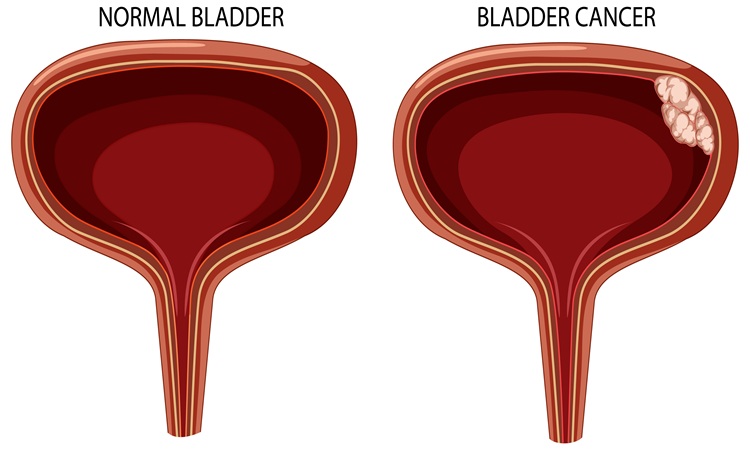
Most people who eventually get diagnosed with bladder cancer will tell you, looking back, that the body had been giving small signals for months. Not loud ones. Not the kind that sends you running to a doctor. Just minor things. A pinkish tinge in the urine one morning that they assumed came from the beetroot they ate the night before. A bit of burning while urinating that felt like the start of a UTI but never actually became one. Going to the bathroom slightly more often, which most people put down to drinking more water. The early urinary bladder cancer symptoms almost never look like cancer in the moment they appear. That is the whole problem.
And the second problem makes the first one worse. Bladder cancer in its initial stages copies almost every other urinary complaint that exists. UTIs in women. Kidney stones. Prostate enlargement in older men. The patient goes to a doctor, the doctor treats what is obvious, the symptoms ease for a few weeks, and the underlying issue continues quietly underneath. Nobody is doing anything wrong here, exactly. It is just how the disease presents.
The good news, if you can call it that, is that bladder cancer caught early is one of the more treatable urological cancers out there.
Where Most Early Bladder Cancer Cases Get Missed
The earliest signs cannot be seen at all. Microscopic blood shows up on a urine routine test and the urine itself looks perfectly normal. The patient is not in pain. Nothing else feels off. Most people, on getting such a report, are told it might be a minor infection or something to recheck later. And later usually means much later. The report goes into a file. Six months have passed. Sometimes more.
When visible blood finally shows up, that is when the patient walks in. But by that stage the tumour had already had room to grow. The treatment plan that gets discussed in that consultation is not the same plan that would have been discussed if someone had taken the earlier urine test seriously.
Symptoms That Show Up Most Often Before Diagnosis
If you ask urologists what their bladder cancer patients describe at the first consult, the list does not change much from one patient to the next. The complaints look ordinary on paper. That is exactly why they stay ignored.
Symptoms patients commonly describe:
-
Blood in the urine. Sometimes visible, sometimes only seen on a urine routine test
-
Burning during urination that does not settle even after a full course of antibiotics
-
Going to the bathroom more often than usual, including waking up at night to urinate
-
A feeling that the bladder did not empty fully even though it was just emptied
-
A vague, dull discomfort in the lower abdomen or pelvic area
-
Pain on one side of the lower back if the cancer has started affecting kidney drainage
One of these on its own is almost certainly not bladder cancer. Two or three of them showing up together and not going away with treatment is when a urologist needs to investigate properly, not just refill an antibiotic prescription.
The Common Triggers Behind Bladder Cancer
The cells lining the bladder do not turn cancerous overnight. The change happens over years, and there is almost always something in the patient's history that has been irritating those cells for a long time. Sometimes more than one thing.
The main risk factors include:
-
Smoking, which is by far the biggest one. Around half of all bladder cancer cases are connected to it
-
Long-term exposure at the workplace to dyes, paints, leather tanning chemicals or industrial solvents
-
Repeated bladder infections that were never fully treated
-
Long-term catheter use, especially in patients with mobility issues
-
A first-degree relative who has had bladder or related urinary tract cancer
-
Radiation to the pelvic area, given years earlier for some other condition
-
Certain older chemotherapy drugs, particularly cyclophosphamide
Most bladder cancer cases turn up in people over fifty. It is more common in men than in women. But women often get diagnosed later, because their early urinary symptoms tend to be put down to gynaecological causes for far too long before anyone considers the bladder itself.
What the Diagnostic Workup Actually Involves
The first test is usually urine cytology. The lab looks at the sample under a microscope and checks for abnormal cells. If they find anything that looks suspicious, the next step is cystoscopy. A thin scope goes in through the urethra, and the urologist sees the inside of the bladder directly. If there is anything that looks like a growth, a biopsy is taken right then. No second appointment needed for that.
Imaging is the third part. A CT scan or MRI of the abdomen and pelvis tells the team whether the tumour is still sitting inside the bladder or has started moving outward. That information drives every treatment decision that comes next. You cannot really plan treatment without knowing the stage.
Where Urinary Bladder Cancer Treatment Stands Right Now
Urinary bladder cancer treatment has come a long way. Not just in terms of new drugs but in terms of how much can now be done while still preserving the bladder, which used to be a much rarer outcome a couple of decades ago. What is recommended depends almost entirely on how deep the tumour has grown into the bladder wall.
For tumours that have not yet reached the muscle layer, a procedure called TURBT is the usual route. The tumour is removed through the urethra itself. No external cuts. The patient goes home within a day or two. After TURBT, the urologist usually starts medicine that is put directly into the bladder. BCG immunotherapy is the most common one. Intravesical chemotherapy is another. Both reduce the chance of the cancer coming back, though regular follow-up cystoscopy is still needed for years after.
Things get more involved when the tumour has reached the muscle. Surgery becomes more aggressive. Sometimes part of the bladder is removed. Sometimes the whole bladder, in which case reconstruction is done so the patient can still pass urine. Chemotherapy is often given before or after surgery, depending on the case. For patients where surgery is not the right choice, a combination of radiation and chemotherapy can also work, and the bladder stays intact.
The newer option is immunotherapy. It does not destroy cancer cells the way chemotherapy does. It trains the immune system to recognise them and go after them itself. For advanced cases that had very few options earlier, this has genuinely changed things.
The Early Catch That Changes Almost Everything
Bladder cancer is one of those cancers where early detection makes most of the difference. Patients caught at the non-muscle-invasive stage have very different outcomes from those caught after the tumour has spread into the muscle. The window between these two stages is sometimes only a matter of months. Which is why even one episode of unexplained blood in the urine, even if it cleared up by itself, deserves a proper look. The same goes for urinary symptoms that keep coming back after every round of antibiotics.
At RG Hospitals, bladder cancer cases are worked up through cystoscopy, imaging and biopsy review, with the uro-oncology team taking the lead and bringing in reconstructive surgery or medical oncology where the case calls for it. Staging is done thoroughly before any treatment plan is finalised, because over-treating an early-stage cancer is just as much of a problem as under-treating a more advanced one. The goal is to match the treatment to what the patient actually has, not to a generic protocol.
Categories
Hernia Repair
Appendicitis
Piles
Urological Treatment
Hernia treatment
Enlarged Prostate (BPH)
Gall Bladder Stone
Urinary / Kidney Stone
Vitamins
Indian Health Care System
Exercise
Obesity
Female Urinary Incontinence
Single Incision Laparoscopic Surgery (SILS)
Kidney Cancer
Bladder Cancer
Ovarian cancer
Nephrology
Bariatric Surgery
Kidney Function Test
Female Urology
Radiation Therapy
Alcoholic Fatty Liver
Liver disease
Gastroenterology
Kidney Disease
Nutrition & Health
Lung Cancer