Things to Expect Before Going Into a Cystoscopy Procedure
2025-12-08 / RG STONE HOSPITAL / Urological Treatment
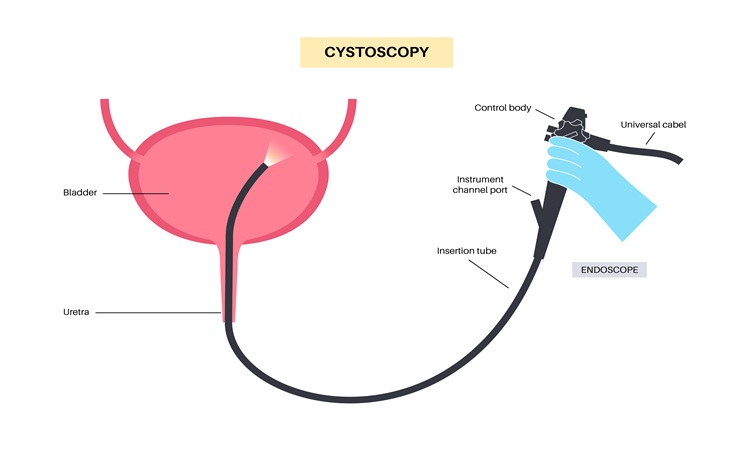
A cystoscopy can sound intimidating, especially if it’s your first time. But knowing what to expect—and how to prepare—can help ease anxiety and make the entire experience smooth and comfortable. At RG Hospitals, we believe informed patients feel more confident, relaxed, and involved in their care. This guide explains everything you need to know before going into a cystoscopy procedure, along with simple steps on how to prepare for a cystoscopy.
What Is a Cystoscopy?
A cystoscopy procedure is a medical examination where a urologist uses a thin, flexible tube with a camera (called a cystoscope) to look inside the urethra and bladder. This helps diagnose conditions like:
-
Recurrent UTIs
-
Blood in urine
-
Bladder stones
-
Suspected tumors or polyps
-
Urinary obstruction
-
Painful urination
-
Overactive bladder issues
It is a safe and commonly performed procedure that provides valuable insight into urinary health.
Why Your Doctor May Recommend a Cystoscopy
Your doctor may advise this test if you experience:
-
Persistent urinary symptoms
-
Unexplained bleeding
-
Repeated infections
-
Difficulty passing urine
-
Abnormal ultrasound findings
A cystoscopy helps determine the exact cause, allowing for accurate treatment and faster recovery.
What to Expect Before the Procedure
Understanding the process helps you walk in relaxed and prepared.
1. A Detailed Consultation
Before scheduling the cystoscopy, your urologist will review:
-
Your medical history
-
Existing symptoms
-
Medicines you’re currently taking
-
Any previous urinary problems
-
Allergies (especially to anesthesia, latex, iodine, or antibiotics)
This is the best time to ask questions or express concerns. At RG Hospitals, doctors ensure you clearly understand the purpose and benefits of the cystoscopy procedure.
2. Some Tests May Be Advised
Depending on your symptoms, your doctor may recommend:
-
Urine test (to rule out infection)
-
Ultrasound
-
Blood tests
These help ensure the procedure is safe for you.
3. Discussion on Anesthesia
Cystoscopy can be done under:
-
Local anesthesia (most common): You remain awake; numbing gel is applied.
-
Sedation: Helps you relax.
-
General anesthesia: Used rarely for complex cases.
Your doctor will explain what’s suitable for you.
How to Prepare for a Cystoscopy
Preparation is simple but important. Here’s what you should keep in mind:
1. Follow Fasting Instructions (If Required)
If your doctor is using sedation or general anesthesia, you may be asked to avoid food and drinks for 6–8 hours before the procedure.
For local anesthesia, fasting is usually not required.
2. Adjust Certain Medications
Tell your doctor if you take:
-
Blood thinners (e.g., aspirin, clopidogrel, warfarin)
-
Diabetes medications
-
Blood pressure medicines
-
Herbal supplements
Your doctor may adjust or stop them temporarily to avoid complications.
3. Arrive With a Relatively Full Bladder
In some cases, you will be asked not to empty your bladder right before the test, especially if a urine sample is required. Follow your doctor’s instructions carefully.
4. Wear Comfortable Clothing
Loose clothes make changing easier. Avoid tight jeans or garments.
5. Arrange a Companion (If Sedation Is Used)
If sedation or general anesthesia is planned, bring someone to drive you home after the procedure.
6. Inform the Doctor About Pregnancy or Ongoing Infections
If you are pregnant or have symptoms of UTI (burning, fever, lower abdominal pain), tell your doctor in advance. The procedure may be rescheduled.
What Happens During the Cystoscopy Procedure?
The procedure usually lasts 5–15 minutes. Here’s the basic flow:
-
You lie comfortably on the examination table.
-
Cleaning and numbing gel is applied to the urethra.
-
The cystoscope is gently inserted.
-
Sterile fluid may be used to fill the bladder for better visibility.
-
The doctor examines the bladder lining on a screen.
-
If needed, small instruments may be used for biopsy or stone removal.
Most patients feel slight pressure but no severe pain.
What to Expect Immediately After the Procedure
It is normal to experience:
-
Mild burning during urination
-
Slightly pink urine
-
Frequent urge to urinate
These symptoms usually settle within 24–48 hours.
Your doctor may prescribe:
-
Antibiotics (to prevent infection)
-
Pain relievers
-
Increased fluid intake to flush the bladder
If you develop fever, chills, or heavy bleeding, contact your doctor immediately.
Benefits of a Cystoscopy Procedure at RG Hospitals
-
Experienced urologists
-
Modern, flexible cystoscopes for minimal discomfort
-
Infection-free environment
-
Quick procedure & fast recovery
-
Comprehensive post-care support
Final Thoughts
A cystoscopy is one of the most effective ways to diagnose urinary tract and bladder problems. With proper preparation and the right guidance, the experience is smooth, quick, and extremely helpful for your long-term health.
At RG Hospitals, we ensure comfort, clarity, and safety at every step—from preparation to recovery.
If you have been advised a cystoscopy procedure and want expert care, our team is here to guide you throughout the process.
Categories
Hernia Repair
Appendicitis
Piles
Urological Treatment
Hernia treatment
Enlarged Prostate (BPH)
Gall Bladder Stone
Urinary / Kidney Stone
Vitamins
Indian Health Care System
Exercise
Obesity
Female Urinary Incontinence
Single Incision Laparoscopic Surgery (SILS)
Kidney Cancer
Bladder Cancer
Ovarian cancer
Nephrology
Bariatric Surgery
Kidney Function Test
Female Urology
Radiation Therapy
Alcoholic Fatty Liver
Liver disease
Gastroenterology
Kidney Disease
Nutrition & Health
Lung Cancer