How to Prevent Kidney Stones Naturally: Diet and Lifestyle Tips
2026-08-13 / RG STONE HOSPITAL / Kidney Stone
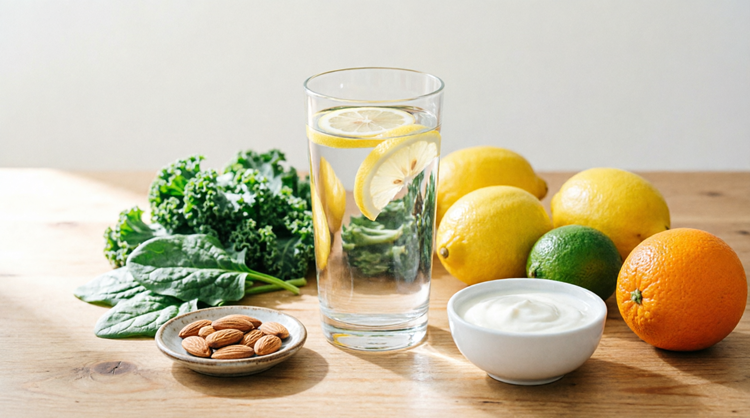
The stone passes. The pain fades. Life goes back to normal within a week, and the whole thing starts to feel like a one-time event. It rarely is. Half of first-time stone patients are back with a second one inside five years. How to prevent kidney stones is really a question about what changes after that first episode, and what quietly stays the same.
Nothing dramatic causes most stones. A half-finished water bottle by the desk. The extra papad at lunch nobody thinks twice about. An afternoon spent sitting, repeated for years without much movement in between. None of it feels wrong on any single day. That is exactly the problem. The stone forms in the space between habits nobody is watching closely enough.
What Actually Drives a Second Stone
Most patients assume one bad food caused the stone. Rarely true. The urine carries a mix of minerals and chemicals, and stones form when that mix tips out of balance for long enough.
The stone type from the first episode matters more than any general advice floating around. A report on stone composition tells the whole story: what mineral built the stone, and which specific habit needs to change. Skip that report and prevention becomes a guessing game dressed up as a plan.
Why Water Is the First Thing That Actually Works
Pale urine. That is the marker worth watching, morning through night, more than any app or tracker. Dilute urine makes it harder for minerals to find each other and cluster into something solid.
Most people load up on water before noon and barely touch a glass after dinner. Wrong window. The overnight hours are when concentration peaks and crystals actually start forming, so evening water matters just as much as the morning bottle. A few signs tell the story without needing a chart:
-
Urine running clear by early afternoon, most days
-
A dry mouth by evening, a signal the second half of the day fell short
-
One trip to the bathroom overnight, not three or four
-
Morning urine darker than expected after a normal night's sleep
What Changes on the Plate for a Kidney Stone Diet
The idea of a kidney stone diet scares people into thinking half their kitchen is off limits. It is not. For the most common stone type, calcium oxalate, the fix sits in pairing and portion, not elimination.
Calcium stays on the plate. That single point gets missed constantly, and missing it makes things worse, not better. Dairy in the gut binds oxalate before the kidneys ever see it.
-
Curd or paneer alongside spinach, not spinach eaten alone
-
Beetroot and peanuts fine occasionally, dangerous only as a daily habit without dairy nearby
-
Lemon and orange for the citrate they carry, which blocks crystals directly
-
Cutting calcium out entirely, the single most common and most damaging mistake
Where the Real Salt Problem Hides in the Kitchen
Nobody blames the pinch of salt added while cooking. They should look elsewhere. Pickle jars, papad stacks, instant noodles, and packaged snacks carry sodium nobody bothers reading the label for.
More salt in the body pushes more calcium out through the kidneys, and that calcium becomes raw material for the next stone. Cutting these packaged foods in half shows up in the numbers within weeks. Meat and seafood create a separate issue, pushing uric acid up and tipping the urine toward conditions stones prefer.
What Weight and Daily Movement Change Over Months
A number on the scale rarely gets connected to kidney stones, but it should. Extra weight shifts calcium, oxalate, and uric acid upward together, all at once, quietly.
Losing even a modest amount reverses that shift gradually. No crash diet required. A daily walk does something food alone cannot. Circulation improves, hydration habits stick better, and the stagnation from sitting all day starts breaking up. Patients who walk and adjust their plate together show cleaner labs at six months than those changing only one or the other.
The Test Nobody Asks For but Everyone Should
A 24-hour urine collection. That single test measures calcium, oxalate, uric acid, citrate, sodium, and pH all together. It tells the doctor exactly which number is off, rather than leaving everyone guessing between salt, spinach, and water.
Citrate specifically gets missed most often. Low citrate is fixable, and it is one of the more treatable pieces of the entire puzzle. Lemon water and amla raise it naturally. When the number stays low anyway, a supplement closes the gap, and recurrence often drops sharply once that piece falls into place.
When Habits Alone Cannot Do the Job
Genetics play a role sometimes. So do certain metabolic conditions and recurring infections, both of which push urine chemistry somewhere diet cannot reach on its own. Medication becomes part of the picture here, working alongside the lifestyle changes rather than replacing them.
At RG Hospitals, the urology team runs stone composition testing, metabolic profiling, and 24-hour urine analysis before any prevention plan gets built. The recommendations that follow come from what those specific numbers show for that specific patient, never from a printed handout meant for everyone.
Categories
Hernia Repair
Appendicitis
Piles
Urological Treatment
Hernia treatment
Enlarged Prostate (BPH)
Gall Bladder Stone
Urinary / Kidney Stone
Vitamins
Indian Health Care System
Exercise
Obesity
Female Urinary Incontinence
Single Incision Laparoscopic Surgery (SILS)
Kidney Cancer
Bladder Cancer
Ovarian cancer
Nephrology
Bariatric Surgery
Kidney Function Test
Female Urology
Radiation Therapy
Alcoholic Fatty Liver
Liver disease
Gastroenterology
Kidney Disease
Nutrition & Health
Lung Cancer