PCOS Explained: Symptoms, Causes & Best Treatment Options for Women | RG Hospitals
2025-12-30 / RG STONE HOSPITAL / Female Urology
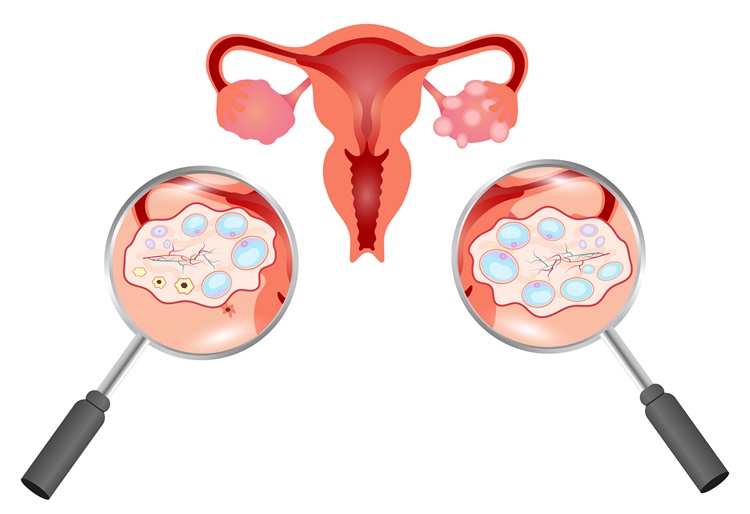
Polycystic Ovary Syndrome (PCOS) is one of the most common hormonal disorders affecting women of reproductive age. While it can feel overwhelming to navigate the symptoms, causes, and treatment options, understanding PCOS early can help you take charge of your health with confidence. This blog breaks down the PCOS symptoms, causes, early signs, and the best treatment options available for women.
What Is PCOS?
PCOS (Polycystic Ovary Syndrome) is a condition where the ovaries produce higher-than-normal levels of male hormones (androgens). This hormonal imbalance affects the menstrual cycle, ovulation, and metabolic health. Many women with PCOS also have small fluid-filled sacs or follicles on their ovaries, though not all cases show visible cysts.
Because the condition affects multiple body systems, PCOS symptoms in women can vary widely—from irregular periods to weight gain, acne, infertility, and more.
Common PCOS Symptoms
The symptoms of PCOS differ from woman to woman, but some common indicators include:
1. Irregular Periods
One of the earliest and most noticeable symptoms of PCOS is a disrupted menstrual cycle. Women may experience:
Delayed periods
Missed periods
Very light or very heavy bleeding
This happens due to lack of regular ovulation and is one of the most significant irregular periods symptoms seen in PCOS.
2. Excess Hair Growth (Hirsutism)
Higher androgen levels can cause coarse, dark hair growth on areas such as the face, chest, stomach, back, and thighs.
3. Acne & Oily Skin
Hormonal imbalance symptoms often include severe acne, especially on the face, chest, and upper back.
4. Weight Gain & Difficulty Losing Weight
Many women with PCOS struggle with unexplained weight gain, especially around the abdomen, due to insulin resistance.
5. Scalp Hair Thinning
PCOS may cause gradual hair thinning or hair fall similar to male-pattern baldness.
6. Skin Darkening
Dark, velvety patches of skin (acanthosis nigricans) may appear around the neck, armpits, groin, or under the breasts.
7. Fertility Problems
Lack of regular ovulation is one of the main reasons women with PCOS may face difficulty conceiving.
Early Signs of PCOS Every Woman Should Know
Recognizing the early signs of PCOS helps in timely diagnosis and management. These early symptoms often include:
Sudden menstrual irregularity
Rapid weight gain
Persistent acne
Increased facial or body hair
Fatigue and mood swings
Cravings or signs of insulin resistance
If you notice two or more of these symptoms consistently, it is essential to consult a gynaecologist.
What Causes PCOS?
While there is no single cause, experts believe PCOS develops due to a combination of:
1. Hormonal Imbalance
Higher androgen levels interfere with ovulation and cause many of the visible hormonal imbalance symptoms such as acne and hair growth.
2. Insulin Resistance
When the body does not use insulin effectively, it triggers the ovaries to produce more androgens, worsening PCOS symptoms.
3. Genetics
PCOS tends to run in families—daughters, sisters, or mothers of women with PCOS are more likely to develop it.
4. Lifestyle Factors
Poor diet, stress, sedentary habits, and disrupted sleep cycles may contribute to the severity of PCOS.
How Is PCOS Diagnosed?
A doctor may use a combination of:
Detailed medical history
Pelvic examination
Ultrasound to check for ovarian follicles
Blood tests to measure hormone levels
Diagnosis focuses on identifying PCOS symptoms in women, menstrual irregularities, and signs of androgen excess.
Best Treatment Options for PCOS
While there is no permanent cure, PCOS can be effectively managed with the right care plan. Treatment depends on whether the goal is symptom relief, weight management, fertility improvement, or overall hormonal balance.
1. Lifestyle Modifications
The first and most critical step includes:
Balanced diet with low sugar intake
Regular exercise
Weight management
Stress control
Even a 5–10% reduction in body weight can significantly improve PCOS symptoms.
2. Medications
Doctors may recommend:
Hormonal birth control to regulate periods
Metformin to improve insulin sensitivity
Anti-androgen medicines for acne and hair growth
Ovulation-inducing medications for women planning pregnancy
3. Skincare & Hair Management
Dermatological treatments help manage acne, pigmentation, and hair growth issues caused by hormonal imbalance symptoms.
4. Fertility Treatments
For women experiencing fertility challenges, options include:
Lifestyle changes
Medication to stimulate ovulation
IVF in selected cases
When to See a Doctor?
Visit a specialist if you experience:
Irregular periods symptoms for more than 3 months
Rapid weight gain
Difficulty conceiving
Persistent acne or hair growth on the face/body
Severe PMS-like symptoms
Early diagnosis plays a major role in preventing long-term complications such as diabetes, hypertension, and infertility.
Conclusion
PCOS is a manageable condition when diagnosed early and treated with a personalised plan. By understanding the symptoms of PCOS, early warning signs, and available treatments, women can take meaningful steps toward better health and hormonal balance. At RG Hospitals, our specialists offer advanced diagnostic tools and customised treatment plans designed to support women at every stage of their PCOS journey.
Categories
Hernia Repair
Appendicitis
Piles
Urological Treatment
Hernia treatment
Enlarged Prostate (BPH)
Gall Bladder Stone
Urinary / Kidney Stone
Vitamins
Indian Health Care System
Exercise
Obesity
Female Urinary Incontinence
Single Incision Laparoscopic Surgery (SILS)
Kidney Cancer
Bladder Cancer
Ovarian cancer
Nephrology
Bariatric Surgery
Kidney Function Test
Female Urology
Radiation Therapy
Alcoholic Fatty Liver
Liver disease
Gastroenterology
Kidney Disease
Nutrition & Health
Lung Cancer