Liver Cirrhosis Symptoms: Early Warning Signs, Causes and Treatment Options
2026-10-23 / RG STONE HOSPITAL / Gastroenterology
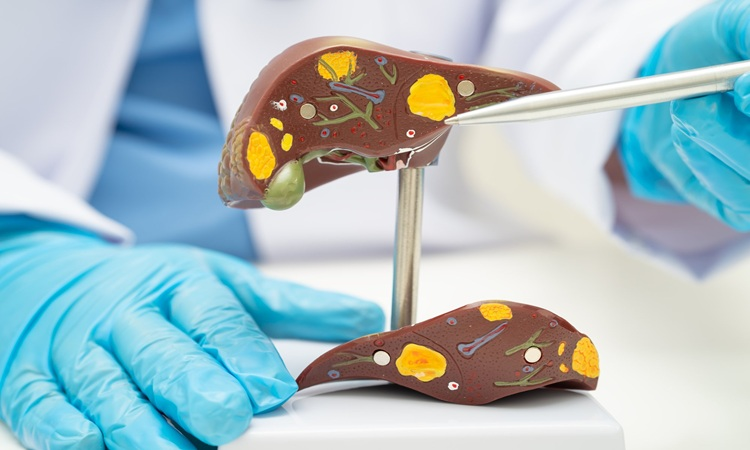
Patients suffering from the early stages of cirrhosis only exhibit fatigue and being a little unwell. Period. Neither pain nor eye yellowing, nothing that would force one to see the doctor. Liver cirrhosis symptoms may remain silent for decades as they process of formation of scar tissue replaces the healthy liver cells until one day when the problem becomes noticeable and most of the harm will have been done. The scarring process is irreversible. However, should liver cirrhosis be caught earlier than that, the disease can be kept under control and progression delayed for many years. This manual will help you understand all of that.
Why Liver Cirrhosis Symptoms Are So Easy to Miss
The liver is a tough organ. It has a high reserve capacity, and therefore, even if a large portion of it is diseased, the rest continues functioning to compensate for the damage done. This condition is known as compensated cirrhosis. When it fails to maintain its function, then it leads to decompensated cirrhosis, and everything changes rapidly. One can have it for many years without ever realizing.
The other challenge is the normalcy of symptoms that characterize it in its early stages. Fatigue is attributed to either overwork or insomnia. Reduced appetite is linked to acidity. The loss of some weight is associated with stress and even celebrated. No one can think of the liver at all, and indeed why should they? Each of these symptoms has five other causes that are much more common.
Early Signs of Liver Cirrhosis Most People Explain Away
The early signs of liver cirrhosis are vague. Patients often say they simply stopped feeling like themselves, which is hard to write on a lab form.
What people usually describe at the first consultation:
-
Persistent fatigue: When one feels tired even after rest or a state of constant tiredness through the entire day
-
Decreased appetite or sickness: Feeling filled up by eating just a little bit of food or loss of appetite towards foods that one normally loves eating
-
Unintentional weight loss: Losing weight without going on any diets accompanied by loss of muscle mass in the upper part of the body
-
Itchiness: Itchy skin without a rash, mostly occurring during nighttime
-
Bleeding easily: Bruises caused by slight bumping or nose bleeds and bleeding gums
-
Spider web-like blood vessels: Spider web-like blood vessels on the chest, face, or shoulders, along with red palms
One of these alone is easy to dismiss. But three or four, especially in someone who abuses alcohol, has a fatty liver, or hepatitis, present a completely different scenario.
Liver Cirrhosis Symptoms That Mean the Disease Has Moved Ahead
When the liver is no longer able to compensate, the symptoms will no longer be mild. This is usually the point where families present themselves in hospitals, with many coming from the ER.
-
Jaundice: Eyes and skin become yellowish and dark colored urine
-
Swelling in the abdomen and leg: Fluid collection in the abdominal cavity (ascites) and legs; tight-fitting clothes and footwear
-
Confusion or somnolence: Difficulty in memory, reversal of sleep-wake cycle, slurring of speech, odd behavior secondary to substances not cleared by the liver anymore
-
Throwing up blood or dark-colored stools: Ruptured and distended veins in the esophagus and stomach region
Bleeding from the stomach or blood in the stool should not be disregarded or postponed. Go to the emergency room.
Liver Cirrhosis Causes and Who Carries the Highest Risk
Many people assume cirrhosis is a drinker's disease. Alcohol is a major cause, yes. It is far from the only one, though, and a growing share of liver cirrhosis causes have nothing to do with drinking at all. Plenty of patients have never touched a glass.
-
Alcohol: Excessive alcohol intake over long periods results in the injury and scarring of the liver. Increased risk based on quantity and period.
-
Fatty liver disease: Rebranded as MASLD and related to obesity, diabetes, high cholesterol, and being inactive. It is fast becoming one of the leading causes in India.
-
Hepatitis B and C: Long-term infections that could have been contracted many years ago without any tests.
-
Autoimmune and Bile duct diseases: The immune system attacks liver cells/bile ducts, e.g., autoimmune hepatitis and primary biliary cholangitis.
-
Inherited diseases: Examples include Wilson's disease caused by copper accumulation and hemochromatosis caused by iron.
-
Medications and toxins: Persistent consumption of certain medications along with herbal supplements
If you have fatty liver disease, diabetes, hepatitis, or a history of alcohol abuse, and you haven’t had a liver examination lately, then you’re past due for one.
How Liver Cirrhosis Is Confirmed and Why Staging Matters
This is where the blood test starts. Tests to determine liver functionality and platelet count and clotting are used since a damaged organ typically decreases platelet counts. Next is ultrasound which will reveal a liver that has a reduced size and a rough appearance. Then elastography or scan of the level of fibrosis without need for using a needle comes into place in some cases. CT scan or MRI may be required. Only when all of these tests cannot clarify the problem, a biopsy is needed.
The next step will be an endoscopy of the upper part. Veins in the food pipe tend to get congested before they start bleeding.
Finally, the liver is given a rating using scales like Child-Pugh and MELD and this step is very important for determining the level of functionality and importance of what should be done next. It helps to distinguish between patients who need monitoring and patients who need a transplant.
Liver Cirrhosis Treatment Depends on What Is Damaging the Liver
There is no single pill. Liver cirrhosis treatment goes after the cause first, then manages whatever the scarring has already set off.
For alcohol-induced cirrhosis, abstinence from alcohol is the key and it increases survival irrespective of the severity of the condition. Antiviral therapy treats Hepatitis B infection, and the cure for Hepatitis C is possible with the aid of drugs in almost every case. The condition of fatty liver requires weight loss, control of blood glucose, change of diet, and more physical activities, which is boring but very effective. Each autoimmune and genetic condition has its own medication.
The complications require separate treatment. Variceal hemorrhage is prevented with beta-blockers or endoscopic banding. Low salt intake and diuretics are used to reduce ascites. When it accumulates, it requires drainage. Lactulose is used to eliminate confusion due to intoxication. And because a scarred liver is susceptible to liver cancer, an ultrasound examination every six months is needed.
In case the liver failure persists despite the above efforts, the liver transplantation becomes the only option and its timing is critical. Other aspects of the lifestyle are important as well. You should not take ibuprofen or diclofenac without a doctor’s approval, do not use any herbs, and be vaccinated against hepatitis A and B.
When to Stop Explaining It Away and See a Gastroenterologist
Most patients with advanced cirrhosis can look back and identify a year earlier when things just didn't seem right. Fatigue. Loss of appetite. A lab report where the liver tests came back 'a bit elevated' and nobody bothered to investigate. All had a logical explanation at the time.
Schedule a liver function test when two or more of the early signs of liver cirrhosis listed above persist for over two weeks, particularly when you have a history of drinking too much alcohol, fatty liver, diabetes, or hepatitis B and C. The presence of jaundice, abdominal distention, confusion, and black stool is considered a medical emergency. Waiting for symptoms to occur is why majority of liver cirrhosis diagnoses are made.
At RG Hospitals, liver conditions are looked at by the gastroenterology team, starting with a detailed history and blood work and moving on to imaging and endoscopy where needed. If alcohol is part of the story, the page on cirrhosis of liver due to alcohol explains how it is managed. Knowing exactly where the liver stands is the first useful step, whatever the result turns out to be.
Categories
Hernia Repair
Appendicitis
Piles
Urological Treatment
Hernia treatment
Enlarged Prostate (BPH)
Gall Bladder Stone
Urinary / Kidney Stone
Vitamins
Indian Health Care System
Exercise
Obesity
Female Urinary Incontinence
Single Incision Laparoscopic Surgery (SILS)
Kidney Cancer
Bladder Cancer
Ovarian cancer
Nephrology
Bariatric Surgery
Kidney Function Test
Female Urology
Radiation Therapy
Alcoholic Fatty Liver
Liver disease
Gastroenterology
Kidney Disease
Nutrition & Health
Lung Cancer