What Is Laparoscopic Surgery? Benefits, Procedure & Recovery Time Explained
2025-12-23 / RG STONE HOSPITAL / Single Incision Laparoscopic Surgery (SILS)
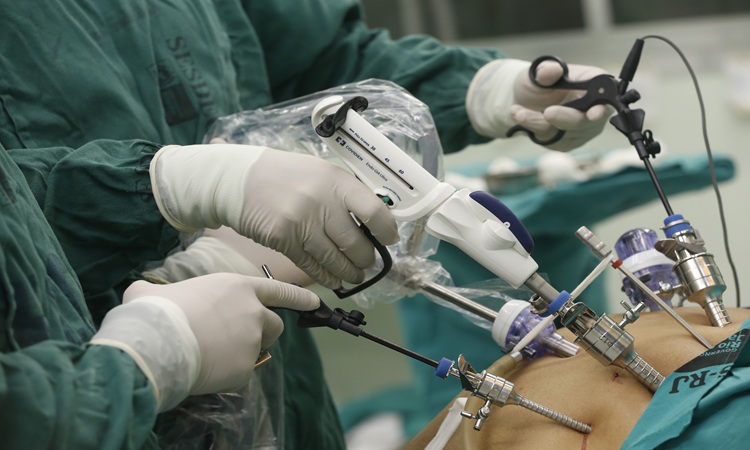
Laparoscopic surgery—often referred to as minimally invasive surgery—is one of the most advanced surgical techniques used today. It allows surgeons to operate with precision using very small cuts instead of large incisions. This means less pain, faster healing, minimal scars, and a quicker return to normal life.
At RG Hospitals, our expert surgical team performs a wide range of procedures using this technique to ensure better clinical outcomes and faster recovery for patients.
If you’re wondering what is laparoscopic surgery, how the procedure works, and what to expect during the recovery period, here’s a complete guide.
What Is Laparoscopic Surgery?
Laparoscopic surgery is a type of minimally invasive surgery in which surgeons use a tiny camera called a laparoscope and specialized instruments to perform an operation through small incisions—usually 0.5 to 1 cm in size.
Instead of the traditional open method, where surgeons make a long cut to access internal organs, the laparoscopy procedure uses small ports through which the camera and instruments are inserted. The camera displays magnified images on a screen, allowing the surgeon to operate with exceptional accuracy.
This advanced technique reduces trauma to the body—offering faster healing and fewer complications.
Common Conditions Treated with Laparoscopic Surgery
The laparoscopic surgery procedure is widely used across many specialties, including:
Gallbladder removal (Laparoscopic Cholecystectomy)
Appendix removal (Laparoscopic Appendectomy)
Hernia repair
Bariatric/weight-loss surgery
Hysterectomy and gynecologic surgeries
Treatment of endometriosis
Kidney and urological surgeries
Colorectal surgery
Diagnostic laparoscopy to identify internal causes of pain
Because it is highly effective and safe, laparoscopic surgery has become the preferred option for many patients and surgeons.
Benefits of Laparoscopic Surgery
One of the biggest reasons for its popularity is the wide range of advantages it offers. Some of the major benefits of laparoscopic surgery include:
1. Smaller Incisions & Minimal Scarring
Since the cuts are tiny, patients experience minimal scarring and better cosmetic results compared to open surgery.
2. Less Pain After Surgery
Small incisions mean significantly less pain during the postoperative period. Many patients require fewer pain medications.
3. Faster Recovery
One of the key benefits of minimally invasive surgery is a shorter recovery time. Most patients can:
Walk within hours
Go home within a day
Resume normal activities much sooner
4. Lower Risk of Infection
Smaller wounds reduce exposure to external bacteria, which lowers the chances of infection.
5. Reduced Blood Loss
The laparoscopic surgery procedure requires precision, resulting in minimal bleeding during surgery.
6. Better Visualization for Surgeons
With a high-definition camera providing magnified views, surgeons can operate with higher precision and safety.
7. Quicker Return to Work & Daily Activities
Because laparoscopic surgery recovery time is shorter, patients can return to work, travel, and normal life much faster.
How the Laparoscopic Surgery Procedure Works
If you’re curious about how surgeons perform laparoscopy, here is a step-by-step explanation of the laparoscopic surgery procedure:
1. Anaesthesia
The procedure is performed under general anaesthesia so the patient is comfortable and pain-free.
2. Small Incisions
Instead of one large cut, the surgeon makes a few small incisions (5–10 mm) on the abdomen.
3. Insertion of the Laparoscope
A thin tube with a camera and light (laparoscope) is inserted through one incision.
The camera sends high-resolution images to a monitor, giving surgeons a clear view inside the body.
4. Abdomen Inflation
Carbon dioxide gas is gently passed into the abdomen to inflate it.
This creates more working space and improves visibility.
5. Use of Surgical Instruments
Through the other tiny incisions, specialized instruments are inserted.
The surgeon performs the complete operation with great precision using these tools.
6. Completion & Closure
Once the surgery is complete, the instruments are removed, the gas is released, and the small cuts are stitched or sealed.
This safe and controlled technique ensures minimal trauma and faster healing.
Laparoscopic Surgery Recovery Time
One of the biggest reasons patients prefer this technique is the quick and comfortable recovery.
While recovery varies depending on the type of surgery, most people experience:
Same-day or next-day discharge
Walking within 6–8 hours
Return to normal routine in 3–5 days
Complete healing within 2–4 weeks
In comparison, open surgery may take 6–8 weeks or longer.
Your surgeon will share specific instructions depending on the procedure performed, but general recovery guidelines include:
Avoid heavy lifting for 2–4 weeks
Take prescribed medications
Keep incisions clean and dry
Maintain a balanced diet
Attend follow-up visits
Following these instructions helps ensure smooth and quick healing.
Why Choose RG Hospitals for Laparoscopic Surgery?
At RG Hospitals, we specialise in providing advanced minimally invasive surgery using state-of-the-art technology and experienced surgeons. Our laparoscopy experts use precision-based techniques that ensure superior results, less pain, and faster recovery for every patient.
Our hospital offers:
Modern operating theatres
Skilled laparoscopic surgeons
Minimal blood loss procedures
Faster discharge timelines
Post-operative monitoring
Dedicated recovery support
From consultation to surgery to recovery, patient safety remains our top priority.
Final Thoughts
Understanding what is laparoscopic surgery and how it works helps patients feel more confident while making medical decisions. With its clear advantages, including quicker healing, fewer complications, and better cosmetic results, laparoscopic surgery has transformed modern healthcare.
If you are exploring treatment options or want to know whether you are a candidate for minimally invasive surgery, schedule a consultation at RG Hospitals. Our experts will guide you through the laparoscopy procedure, explain the benefits of laparoscopic surgery, and create a personalised treatment plan for the best outcome.
Categories
Hernia Repair
Appendicitis
Piles
Urological Treatment
Hernia treatment
Enlarged Prostate (BPH)
Gall Bladder Stone
Urinary / Kidney Stone
Vitamins
Indian Health Care System
Exercise
Obesity
Female Urinary Incontinence
Single Incision Laparoscopic Surgery (SILS)
Kidney Cancer
Bladder Cancer
Ovarian cancer
Nephrology
Bariatric Surgery
Kidney Function Test
Female Urology
Radiation Therapy
Alcoholic Fatty Liver
Liver disease
Gastroenterology
Kidney Disease
Nutrition & Health
Lung Cancer