Kidney Failure Symptoms: Early Signs, Major Causes and Available Treatment Options
2026-10-30 / RG STONE HOSPITAL / Urinary / Kidney Stone
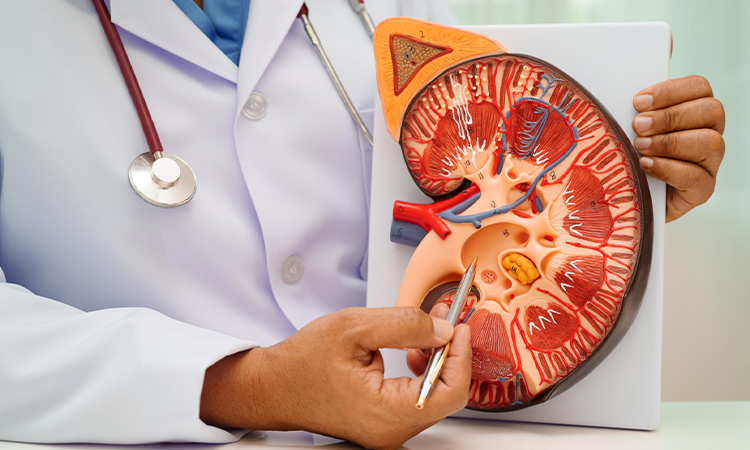
The kidneys never complain. It is this that is most unfair. The kidneys are able to lose a large portion of their functional ability and yet still carry you through the day leaving only some fatigue behind them. Kidney failure symptoms usually turn up late, often after years of silent damage from diabetes, high blood pressure or blocked urine flow. At that point, many will only be a blood test away from hearing the word “dialysis” for the first time. This article is a brief guide to the symptoms that should be noticed, the reasons why you have them, and how the disease is treated in its different stages. If caught in time, much can be done.
Why Kidney Failure Symptoms Are So Easy to Miss
Each kidney is made up of about a million small filters. These filters get rid of waste, regulate the amount of salt and water in the body, maintain blood pressure, and also tell the body to make more red blood cells. With slow damage, the working filters try to compensate for the non-working ones. It is the adaptation that causes the problem to go unnoticed.
There are two ways to explain it. The first is called acute kidney injury and it happens when one has severe dehydration, infection, or particular drugs for a short time in a day. However, it can be cured. Chronic kidney disease develops slowly in several months and cannot be corrected but may be stopped from progressing further. When talking about kidney failure, it usually refers to a stage when kidneys function at less than 15 percent capacity and one has to rely on others to survive.
Early Signs of Kidney Failure That Look Like Everyday Problems
The early signs of kidney failure are the kind you explain away in one sentence. Long week. Bad sleep. Too much salt at that wedding.
-
Fatigue and weakness: Due to waste products accumulation and fewer red blood cells production, tiredness occurs even after resting
-
Swollen eye lids and legs: Often more severe around eyes upon waking up and on legs in the evenings
-
Foamy Urine: Presence of bubbles on the surface indicating that protein is leaking out due to damaged filters
-
Altered Urination: Waking up during nights to empty bladders or reduced urine production
-
Loss of Appetite and Nausea: Food tasting odd and often with a metallic taste on the mouth
-
Itching and Dry Skin: Itching but there will be no rash on skin that will not be relieved by moisturizers
-
Difficulty in Blood Pressure Control: Increased tablets for the same levels of blood pressure
-
Leg Cramps and Insomnia: Most often in the nighttime
One symptom does not mean much. However, if you have diabetes, hypertension, or kidney stones in the past, then even two or three symptoms together should be accompanied by a blood and urine test rather than being guessed.
Kidney Failure Symptoms That Mean the Disease Has Moved Ahead
When the body can no longer keep up, it becomes flooded. Flooded with fluid, with waste products, with potassium and with acid. This stage normally gets people into the emergency room.
-
Breathlessness: Fluid builds up in the lungs, making it difficult to lie down or climb even a few steps
-
Urine very scanty or absent: A sudden decrease in amount within a day or two
-
Repeated vomiting and hiccupping: Not responsive to regular medications
-
Confusion or lethargy: Metabolic waste affecting the brain
-
Pain in chest or irregular beating of the heart: Potassium level is too high and affects heart beat
-
Swelling: Lower limbs, face and even abdomen
Breathlessness associated with swelling, an irregular heartbeat, or minimal passage of urine in a day warrants a visit to the hospital. No time to wait till tomorrow.
Kidney Failure Causes and Who Is Most at Risk
Ask a family what damaged their relative's kidneys and many say painkillers, or some infection. Sometimes that is right. More often the real kidney failure causes had been sitting there for years.
-
Diabetes: the main cause. High sugar gradually damages the filters and remains silent for years.
-
High blood pressure: damages small vessels in the kidney, and damaged kidney raises blood pressure even higher. A vicious circle.
-
Kidney stones and urine obstruction: kidney stones, narrowing of the ureter, or enlarged prostate can lead to urine reflux in the kidney. Obstruction repeated for years and years silently damages the tissues.
-
Repeated kidney infections: particularly if there is a stone or poor drainage problem
-
Inflamed filters (glomerulonephritis): often due to the body’s immune system, and sometimes first detected by blood or protein in the urine
-
Polycystic kidney disease: inherited condition with fluid-filled cysts taking over the normal kidney tissue
-
Painkillers and uncontrolled medications: prolonged use of diclofenac or ibuprofen, and uncontrolled herbal or traditional medications that may contain heavy metals
-
Severe disease or dehydration: severe infection, major blood loss, or severe diarrhea and vomiting may damage kidneys abruptly
A family history of kidney disease, age above 60 and smoking raise the risk further.
How Kidney Failure Is Tested and Staged
Two simple tests do most of the heavy lifting here. Blood test of creatinine, which is useful to calculate eGFR (the function of renal filtration), and urine test for protein. The ultrasonography gives the size of the kidneys and any presence of the stone or obstruction. Small and shrunken kidneys are an indication of prolonged condition. In some cases, the biopsy is necessary to find the cause.
The chronic kidney disease is classified in five stages, depending on eGFR. One and two stages are considered moderate and all patients experience no symptoms at all. Three and four stages belong to the medium period, during which symptoms arise, but it is possible to treat the disease. The fifth stage is kidney failure. The staging is crucial in treatment.
Kidney Failure Treatment: From Slowing the Damage to Dialysis and Transplant
Kidney failure treatment depends on the stage, the cause, and the person's overall health. There is no single road.
Slowing down is the objective in the early and intermediate phases. This involves strict regulation of blood glucose levels and pressure; often, use of medications to safeguard the kidneys. Low salt content. Consumption of adequate protein, no excessive. Potassium and phosphorous was monitored on the basis of blood reports. Diclofenac or any other NSAID should be strictly avoided without permission from the physician. In case, a kidney stone or blockage is the cause, removal of the same can preserve an appreciable quantity of kidney functioning.
If the reduction in function becomes too severe to handle, the options include two alternatives. The process of dialysis carries out the function of the kidneys. Hemodialysis is conducted in centers several days in a week for a few hours each day. Peritoneal dialysis makes use of the abdominal lining and is also possible to perform at homes. It makes individuals live healthy for years together, but it entails a heavy task.
Kidney transplantation is the ideal way out for those patients who are fit enough. A donor kidney, obtained either from living relatives or from a deceased donor, will do the job, and most patients can lead a nearly normal life by taking regular medication to prevent rejection of the organ. For some other patients who are old or fragile, a conservative approach would be appropriate.
Acute kidney damage is another case. Immediate treatment of the cause, fluid intake, and sometimes dialysis will help the kidneys function again.
When to Stop Waiting and See a Nephrologist
Ask the folks that began dialysis due to their sudden condition and you'll find out that they've had a year or two of being very fatigued, swollen ankles, and a doctor telling them that "it must not be anything."
See a doctor about your kidneys if you have either diabetes, high blood pressure, had stones before, or a family member with kidney problems, even if you feel well. Once a year is acceptable. Seek a test as soon as possible if there are two or more early signs of kidney failure that last beyond two weeks. Suffering from serious difficulty breathing, not passing much urine, being confused, and feeling pain in your chest all require immediate medical attention. When kidney failure symptoms become apparent, severe damage has already occurred.
At RG Hospitals, the nephrology and urology teams look at both sides of the problem, the kidney itself and anything blocking the flow, starting with blood and urine tests and an ultrasound. One simple test today costs very little next to years of dialysis.
Categories
Hernia Repair
Appendicitis
Piles
Urological Treatment
Hernia treatment
Enlarged Prostate (BPH)
Gall Bladder Stone
Urinary / Kidney Stone
Vitamins
Indian Health Care System
Exercise
Obesity
Female Urinary Incontinence
Single Incision Laparoscopic Surgery (SILS)
Kidney Cancer
Bladder Cancer
Ovarian cancer
Nephrology
Bariatric Surgery
Kidney Function Test
Female Urology
Radiation Therapy
Alcoholic Fatty Liver
Liver disease
Gastroenterology
Kidney Disease
Nutrition & Health
Lung Cancer