How to Keep Kidney Healthy Naturally: Diet, Hydration & Lifestyle Habits
2026-01-01 / RG STONE HOSPITAL / Urinary / Kidney Stone
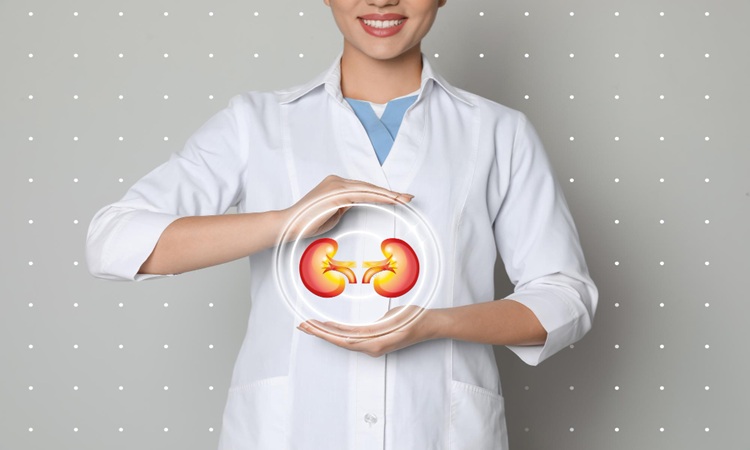
Your kidneys work silently every second—filtering toxins, balancing fluids, regulating blood pressure, and keeping your overall body chemistry in perfect harmony. Despite being such essential organs, kidney health is often neglected until symptoms appear. The good news? You can protect your kidneys with simple everyday steps. In this guide, we explain how to keep kidney healthy naturally using smart nutrition, hydration, and lifestyle habits.
Why Kidney Health Matters
Healthy kidneys remove waste, balance electrolytes, produce hormones, and help your body stay in equilibrium. Any disturbance in kidney function can affect the heart, bones, blood pressure, and even your energy levels. Learning how to healthy kidney through preventive care helps reduce the risk of kidney disease, especially if you have a family history, diabetes, high blood pressure, or a sedentary lifestyle.
1. Eat a Kidney-Friendly Diet
Diet plays a major role in keeping your kidneys in top shape. Here is how to keep kidney healthy with the right foods:
Add More Fruits & Vegetables
Foods rich in antioxidants support kidney function and reduce inflammation. Choose:
-
Apples
-
Berries
-
Grapes
-
Leafy greens
-
Cabbage
-
Cauliflower
-
Bell peppers
These are low in potassium and beneficial for overall kidney health.
Choose Lean Protein Sources
Too much protein—especially red meat—can strain your kidneys. Opt for:
-
Eggs
-
Fish
-
Chicken
-
Tofu
-
Beans (moderation if existing kidney issues)
Reduce Salt Intake
High sodium increases blood pressure, one of the leading causes of kidney disease. Ensure:
-
You limit packaged foods
-
Avoid pickles, papad, and fast food
-
Choose rock salt or low-sodium options
Limit Sugar & Refined Carbs
Uncontrolled sugar levels damage the tiny blood vessels of the kidneys. Keep an eye on:
-
Sweets
-
White bread
-
Sugary drinks
-
Pastries
-
Processed snacks
Switch to whole grains, millet, oats, and high-fibre options.
Watch Your Potassium & Phosphorus Intake
If you already have kidney concerns, managing these minerals is crucial. A kidney specialist can recommend the ideal daily intake based on your health status.
2. Stay Hydrated—But Smartly
Water is essential to kidney health because it helps flush out toxins. But more water doesn’t always mean better.
How Much Water Should You Drink?
On average:
-
2–3 litres per day for healthy adults
-
More if you exercise
-
Less if you have heart or kidney disease (consult a doctor)
Understanding hydration is an important part of how to keep kidney healthy naturally.
Choose Water Over Sugary Drinks
Avoid:
-
Soda
-
Energy drinks
-
Packaged juices
These harm both kidney and metabolic health.
Eat Hydrating Foods
Cucumber, watermelon, oranges, and coconut water are excellent additions.
3. Maintain a Healthy Weight
Obesity is linked to diabetes, high blood pressure, and chronic kidney disease. Healthy body weight reduces strain on your kidneys.
Include Daily Physical Activity
Aim for:
-
30–40 minutes of walking
-
Yoga
-
Cycling
-
Strength training
-
Swimming
Exercise improves blood circulation and helps maintain how to healthy kidney naturally.
4. Monitor Blood Pressure & Blood Sugar Levels
High blood pressure and diabetes are the leading causes of kidney failure worldwide.
Keep Blood Pressure Under Control
-
Reduce salt
-
Exercise regularly
-
Avoid stress
-
Meditate or practice breathing exercises
Control Blood Sugar Levels
If you are diabetic:
-
Monitor your glucose
-
Follow a balanced diet
-
Take medications regularly
-
Get routine kidney tests
Regular check-ups are essential in learning how to keep kidney healthy for the long term.
5. Avoid Smoking & Limit Alcohol
Smoking slows blood flow to the kidneys and speeds up damage. Similarly, excessive alcohol increases blood pressure and dehydration.
Quit Smoking
It improves heart, lung, and kidney health almost immediately.
Consume Alcohol Carefully
If you drink, keep it limited—excessive consumption stresses kidney function.
6. Be Careful With Over-the-Counter Painkillers
NSAIDs such as Ibuprofen and Diclofenac can cause serious kidney damage when taken frequently.
Avoid Self-Medication
Use painkillers only when prescribed by a doctor.
Choose Safer Alternatives
For mild pain, try rest, hydration, physiotherapy, or warm compresses.
7. Get Regular Kidney Function Tests
Early kidney disease has no obvious symptoms. Routine tests help catch problems early:
-
Serum creatinine
-
Blood urea nitrogen
-
Urine analysis
-
Kidney ultrasound
Regular screening is essential, especially if you are at high risk.
8. Manage Stress
Chronic stress increases blood pressure and inflammation, indirectly harming the kidneys.
Stress-Lowering Techniques
-
Deep breathing
-
Yoga
-
Mindfulness
-
Sleep of at least 7–8 hours
-
Nature walks
Conclusion
Your kidneys work tirelessly to keep your body balanced, and with the right habits, you can protect them for a lifetime. Now that you understand how to keep kidney healthy through hydration, clean eating, exercise, and preventive care, make these habits part of your daily routine. If you want personalised advice or notice symptoms such as swelling, fatigue, foamy urine, or frequent urination, consult the nephrology experts at RG Hospitals for comprehensive guidance on how to healthy kidney effectively and safely.
Categories
Hernia Repair
Appendicitis
Piles
Urological Treatment
Hernia treatment
Enlarged Prostate (BPH)
Gall Bladder Stone
Urinary / Kidney Stone
Vitamins
Indian Health Care System
Exercise
Obesity
Female Urinary Incontinence
Single Incision Laparoscopic Surgery (SILS)
Kidney Cancer
Bladder Cancer
Ovarian cancer
Nephrology
Bariatric Surgery
Kidney Function Test
Female Urology
Radiation Therapy
Alcoholic Fatty Liver
Liver disease
Gastroenterology
Kidney Disease
Nutrition & Health
Lung Cancer