How To Get Periods Naturally When Your Cycle Suddenly Delays
2026-06-01 / RG STONE HOSPITAL / Female Urology
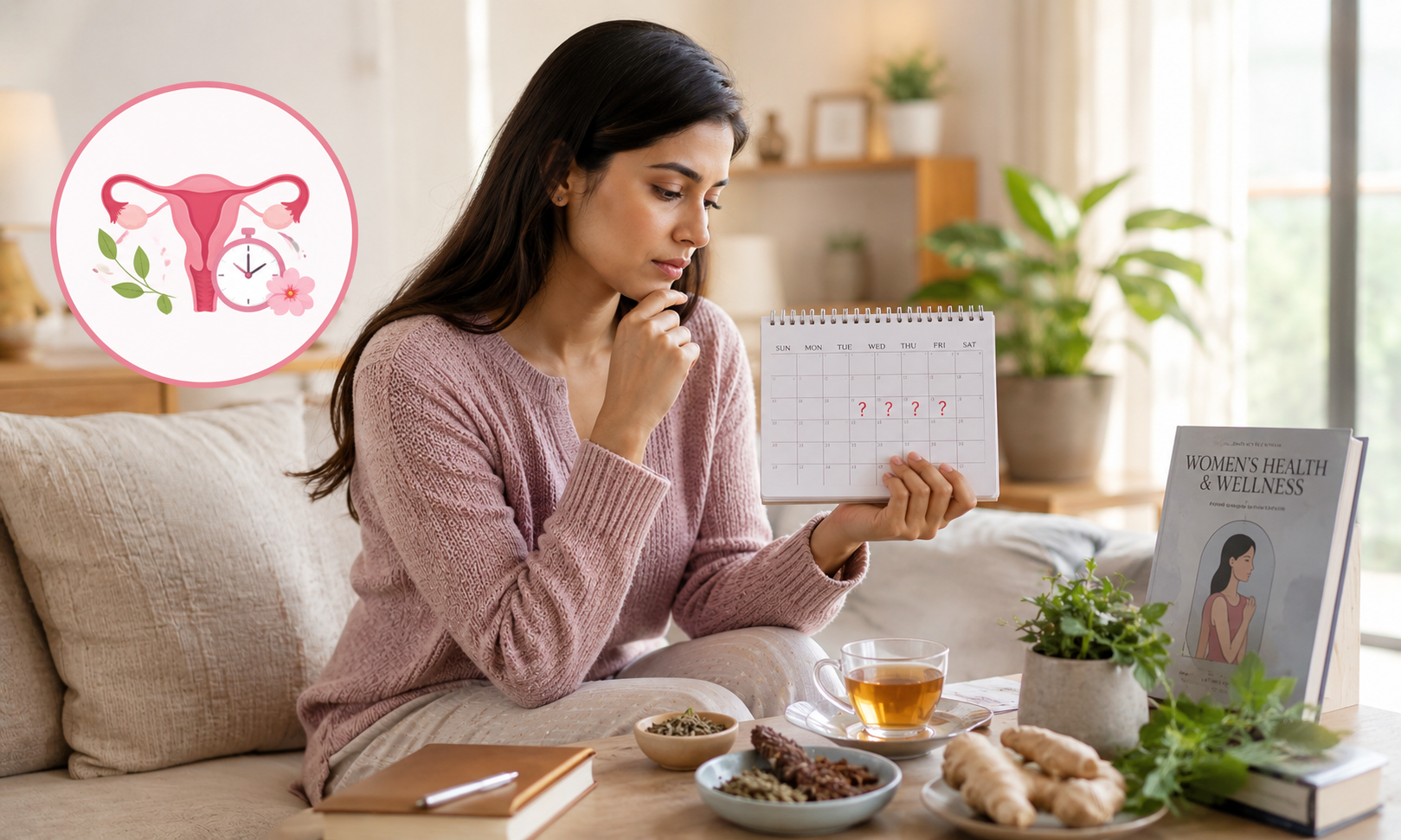
The whole week's mood shifts when the muscular occurring cycle is late or early. You start looking for dates on the calendar, performing calculations in your brain and your thoughts go through to whether it's due to exhaustion, hormonal imbalance, sudden weight loss or more serious. The majority of females will not fret if they miss a date once. Typically, the anxiety begins after a couple of quiet mornings.
To know how to get periods naturally on purpose, you should first be able to know why it slows down then.To know how to get periods naturally on purpose you should be able to know why it slows down first and not attempt any remedy that you try out. The quality of sleep, emotional stress, diet, thyroid function, body fat percent, and brain hormone signaling are directly related to the activity of the ovary. If there's a disruption in that chain, then the timing changes almost right away.
Why Menstrual Cycles Suddenly Shift Timing
The sudden change in the timing of menstrual cycles poses an interesting question, leaving researchers to wonder why. The menstrual cycle is dependent on information being transmitted between the brain, the ovary, the thyroid, the adrenal system and the uterus. If one part of the chain fails, the timing shoots off balance almost instantaneously. After rapid traveling, some women will not have a period. Others feel that they are delayed in the middle of exams or the high-stress months of the exam or when they diet hard.
This is a big part of cortisol. Excessive levels of stress hormones may stop ovulation completely. If ovulation does not occur, the level of progesterone will never fluctuate, and the uterus lining will not shed on time.
Another common problem is low calorie consumption. Nutrient restriction is seen as a threat to survival. The reduced reproductive hormone levels are a consequence of this system no longer believing pregnancy is biologically safe.
Common triggers behind delayed cycles include:
-
Sudden emotional stress or disrupted sleep schedules
-
Rapid weight loss or highly restrictive eating habits
-
Excessive gym routines with inadequate recovery
-
Polycystic Ovary Syndrome affecting ovulation patterns
-
Thyroid imbalance interfering with hormone signaling
-
Long term use of certain medications or contraceptives
Tracking the pattern matters. A cycle delayed by four days behaves very differently from cycles disappearing for three consecutive months.
Home Remedies For Periods That May Support Regular Cycles
Many traditional remedies focus less on forcing bleeding and more on helping the body return to hormonal stability. That distinction matters. Women searching online for reliable home remedies for periods often ignore the underlying triggers affecting ovulation in the first place.
Circulation Support And Ginger Tea
Ginger is warming and a circulatory stimulator. If women drink warm ginger tea regularly for several days, they will see that the bloating and feeling of "heaviness" in the lower abdomen have decreased.
Peel and slice fresh ginger, and simmer for 10 minutes in water. Serve tea 2 times a day and warm it. A little honey is also added by some women to tone down the pungent flavor.
Warm liquids are important another way! When the body is hydrated and warm, the pelvic muscles are more easily relaxed than if they are tense and dry.
Traditional Uterine Stimulation and Papaya
After years of discussion in traditional medicine, it was believed that raw papaya might stimulate the uterus' contractions to a slight degree. Additionally, the fruit has carotene, which can affect some women's estrogen activity.
Eating too much of a particular thing is not an aid to healing. Moderation matters. If you're eating ripe papaya, it's typically sufficient to consume just a bit of it over multiple days.
Cinnamon And Hormones
Cinnamon is a common food related to blood sugar balance. That is important because insulin resistance can impact your ovulation, especially in women with PCOS.
Slowly, by adding cinnamon to milk, oatmeal or warm herbal tea, a warm drink may help improve the regulation of hormones. The impact is slight. However, while temporary measures may be radical, more subtle changes in hormones are likely to be more important.
Fennel Seeds And Digestive Relief
Fennel seeds are widely used in Indian households for digestion, but many women also use them among their regular home remedies for periods because they may help improve pelvic blood flow.
Soak one teaspoon of fennel seeds overnight in water. Drink the strained water the next morning on an empty stomach. The digestive comfort alone often helps women dealing with stress related bloating and abdominal tightness.
How Stress Interrupts The Menstrual Cycle
A delayed period is not always a gynecological problem. Sometimes the nervous system is simply overwhelmed.
Many women start noticing irregular cycles during prolonged periods of emotional stress, sleep disruption, or physically exhausting schedules. The body reacts to sustained cortisol elevation by interfering with ovulation timing, which eventually delays menstruation or disrupts cycle consistency over several months.
This hormonal pattern appears far more frequently than most women expect during periods of physical and emotional exhaustion.
The body treats chronic stress like a physical threat. Reproductive function becomes secondary during that state. Sleep quality drops. Appetite changes. Hormonal timing becomes erratic.
Small adjustments sometimes restore cycle regularity surprisingly well:
-
Sleeping at consistent hours every night
-
Reducing caffeine intake late in the evening
-
Walking daily instead of relying only on intense workouts
-
Eating balanced meals with adequate healthy fats
-
Limiting long fasting windows during stressful weeks
Many women continue searching for remedies while the underlying stress, sleep disruption, or nutritional imbalance continues affecting the hormonal cycle every single day.
Natural Ways To Get Periods By Supporting Hormonal Recovery
Lifestyle changes influence reproductive hormones far more than most women realize. In many cases, the body is not refusing menstruation randomly. It is reacting to exhaustion, emotional overload, disrupted sleep, poor nutrition, or aggressive calorie restriction.
Several natural ways to get periods focus on correcting those underlying disruptions slowly instead of forcing the body into temporary hormonal stress.
Moderate Exercise Instead Of Overtraining
Movement improves circulation and helps regulate insulin sensitivity. But overtraining creates the opposite effect. Excessive cardio sessions and aggressive calorie deficits can suppress reproductive hormones sharply.
Gentle yoga, brisk walking, stretching, and moderate strength training usually support healthier cycles more effectively than punishing exercise routines.
Iron And Healthy Fat Intake
Hormones are built from nutrients. Diets lacking healthy fats, iron, zinc, and protein frequently affect menstrual consistency.
Women with extremely restrictive eating patterns often develop lighter periods, delayed cycles, or complete menstrual absence. Eggs, nuts, seeds, leafy vegetables, lentils, and fatty fish support hormone production far better than crash diets.
Hydration And Reduced Bloating
Poor hydration increases fatigue, digestive discomfort, and pelvic bloating. Drinking enough water helps circulation and supports the body's natural inflammatory balance.
Which, honestly, is the real problem sometimes. Women assume the cycle itself is broken when the body is actually reacting to exhaustion, dehydration, and poor recovery.
Signs A Delayed Period Needs Medical Evaluation
Natural remedies have limitations. A menstrual cycle disappearing repeatedly should never be ignored casually.
You should seek medical evaluation if:
-
Periods stop completely for more than three months
-
Severe pelvic pain appears with the delay
-
Sudden facial hair growth or rapid weight gain develops
-
Heavy bleeding begins after a prolonged absence
-
Pregnancy remains a possibility after unprotected intercourse
-
Cycles become consistently unpredictable for several months
Conditions like PCOS, thyroid disorders, anemia, hormonal imbalance, premature ovarian insufficiency, and uterine abnormalities all require proper diagnosis. Guessing blindly delays treatment.
Giving Your Body Time To Reset Naturally
Attempting to induce a period as early as possible can add to the stress instead of removing it. Stability is the best response of the reproductive system. Proper diet, reduced stress, good sleep, even exercise, and a stable hormone balance typically are much more effective than extreme remedies found on the Internet.
When symptoms seem physically abnormal, due to the slow onset or delay, proper medical guidance is important. The gynecologists take a detailed look at the hormonal changes and understand the actual cause of irregular periods and guide women towards their menstrual health without giving them much anxiety.
Giving Your Body Time To Recover Naturally
Stability is key for the menstrual cycle. Eating regular meals, reducing stress, getting adequate rest, keeping hydrated and exercising moderately can restore the hormonal balance that's necessary for ovulation. By the time the body no longer has to cope with physical "fullness" on a daily basis, most women will see an improvement in their situation over time.
The more you try different things online, the more you are likely to aggravate things, instead of clearing them up. If the bleeding continues to occur in a cyclic pattern, or there is a sudden change in the bleeding pattern, or symptoms such as dizziness, heavy spotting or pelvic pain start to occur, then proper medical guidance becomes important. At RG Hospitals, the gynecologists thoroughly examine hormonal health and determine the true reason for irregular period cycles before advising the women to regain menstruation in a secure way without irrational fear.
Categories
Hernia Repair
Appendicitis
Piles
Urological Treatment
Hernia treatment
Enlarged Prostate (BPH)
Gall Bladder Stone
Urinary / Kidney Stone
Vitamins
Indian Health Care System
Exercise
Obesity
Female Urinary Incontinence
Single Incision Laparoscopic Surgery (SILS)
Kidney Cancer
Bladder Cancer
Ovarian cancer
Nephrology
Bariatric Surgery
Kidney Function Test
Female Urology
Radiation Therapy
Alcoholic Fatty Liver
Liver disease
Gastroenterology
Kidney Disease
Nutrition & Health
Lung Cancer