What Causes High Cortisol Levels? Symptoms and Natural Remedies
2026-06-12 / RG STONE HOSPITAL / Indian Health Care System
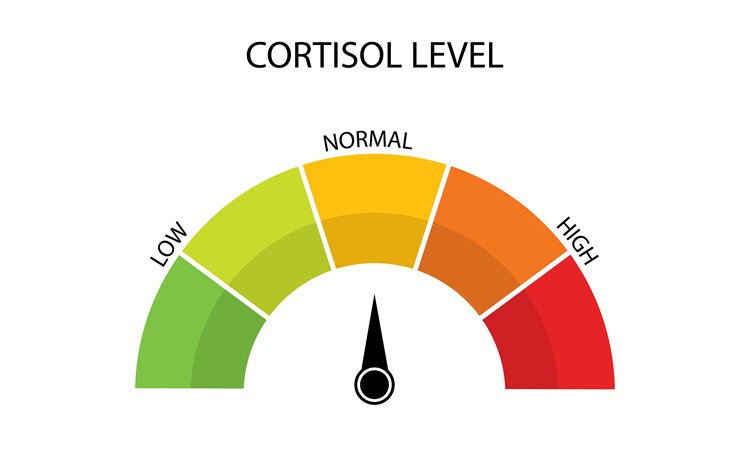
Most people immediately associate cortisol with stress and that's where it stays. However, high cortisol levels don't only cause people to feel anxious. It has an influence on a variety of different processes in the body such as blood sugar, sleep, appetite, energy, mood, blood pressure, and the way the body adapts to pressure during the day. If cortisol remains elevated for extended periods of time, the body no longer responds to stress as a temporary event, and begins to act as if it is living in a stressful event.
This is where transformations start to happen in everyday life. Sleep becomes lighter. Hunger becomes strange. The mind is stimulated in the night and lethargic in the morning. Some people have a belly weight that doesn't move around. Some people get anxious, irritated, confused or tired even after resting. These are generally presented in segments rather than in one big package; the body typically presents them this way.
What Cortisol Actually Does in the Body
The adrenal glands produce the hormone called cortisol. Its primary function is to help the body cope with stress and regulate blood pressure, provide support to metabolism and ensure blood glucose is available when the body requires rapid energy.
This is a helpful response, albeit in small quantities. Cortisol keeps the body alert when it is frightened, sick, injured, sleep-deprived or experiencing a high level of stress. The problem arises when the alarm doesn't turn off completely. Then the hormone that once did the job of survival begins to make life go haywire for sleeping, eating, mood, cycle timing and weight control.
High Cortisol Causes That Commonly Get Overlooked
Many high cortisol causes are hiding inside daily routine. Constant emotional stress is one of the biggest triggers, but it is not the only one. Poor sleep, shift work, overtraining, chronic illness, untreated anxiety, depression, and even too much caffeine can keep the stress response active longer than it should be.
The body also raises cortisol when it feels physically unsafe. Long fasting windows, crash dieting, under-eating, repeated exhaustion, and skipping recovery after hard exercise can all push cortisol upward. Some medicines, especially steroid medicines, can also affect cortisol levels. In rarer cases, hormonal or adrenal disorders may be responsible.
That is why high cortisol should not be reduced to “just stress.” Sometimes it is emotional. Sometimes it is physical. Very often it is both happening together.
Symptoms of High Cortisol You Should Watch Closely
The symptoms of high cortisol are not exactly the same in every person, but some patterns appear often enough to deserve attention. One high cortisol symptom may not mean much on its own. Several showing up together usually tell a clearer story.
Common signs include:
-
Trouble falling asleep or waking in the middle of the night
-
Feeling tired but mentally overactive
-
Increased anxiety, irritability, or mood swings
-
Weight gain around the abdomen
-
Strong sugar cravings or unusual hunger
-
Headaches and muscle tension
-
Brain fog or poor concentration
-
Higher blood pressure
-
Irregular periods in some women
-
Feeling tired after workouts instead of refreshed
These changes can build slowly. That is why many people keep ignoring them. They adapt to the pattern and think it is just part of adult life.
How High Cortisol Levels Start Affecting Daily Health
When high cortisol levels remain elevated, the body stops recovering well. Sleep becomes shallow, and poor sleep pushes cortisol higher again. Appetite may increase, especially for sugary or high-calorie foods. Blood sugar control may become less steady. Digestion may also become unpredictable.
There is also a clear effect on mental health. A person may feel restless, emotionally sharp, impatient, or constantly “on.” In women, long-term stress hormone disruption may also interfere with ovulation and menstrual timing. That is why hormone issues often do not stay limited to one body system. The nervous system, metabolism, and reproductive system all start affecting one another.
Natural Remedies That May Help Lower Cortisol
When there are lifestyle related causes as in the case of a natural care, it is best suited when it is not caused by a deeper adrenal or endocrine issue. The first step is the bed. One who suffers from insomnia tends to maintain high levels of stress hormones. It's important to maintain consistent sleep schedules.
Food comes next. When you don't eat enough, the body remains in stress. Caffeine and skipping meals generally does not help recovery, which is better supported by regular meals with adequate protein, healthy fats, complex carbohydrates, nuts and seeds, and home cooked meals, as well as by a minimum of vegetables. Then there's the hydration factor and when the body's feeling drained and over stimulated.
Moderate intensity of exercise should remain. Typically, strength training or punishing cardio isn't helpful when the body is already under stress—after walking, stretching, light yoga, and controlled strength exercise. Reducing screen time close to bedtime, limiting the amount of caffeine late in the day, practicing breathing exercises, and allocating time for rest in addition also aid more than people believe. Rhythm is more effective than panic in hormones.
When It Is Time to Get Checked
Stress is normal but if stress symptoms last, the problem needs to be addressed. If sleeping difficulty, weight changes, hypertension, severe tiredness, anxiety, irregular menstrual periods or continuing weakness repeatedly then it is important that appropriate medical evaluation is conducted.
Symptoms of cortisol can be evaluated in conjunction with the overall hormonal and metabolic history. This is because high cortisol may result from chronic stress, but can also indicate possible side effects of drugs, hormonal issues, or a more serious illness that requires medical attention.
Categories
Hernia Repair
Appendicitis
Piles
Urological Treatment
Hernia treatment
Enlarged Prostate (BPH)
Gall Bladder Stone
Urinary / Kidney Stone
Vitamins
Indian Health Care System
Exercise
Obesity
Female Urinary Incontinence
Single Incision Laparoscopic Surgery (SILS)
Kidney Cancer
Bladder Cancer
Ovarian cancer
Nephrology
Bariatric Surgery
Kidney Function Test
Female Urology
Radiation Therapy
Alcoholic Fatty Liver
Liver disease
Gastroenterology
Kidney Disease
Nutrition & Health
Lung Cancer