What are the Top 12 Common Frequent Urination Causes to Know
2026-08-27 / RG STONE HOSPITAL / Urinary / Kidney Stone
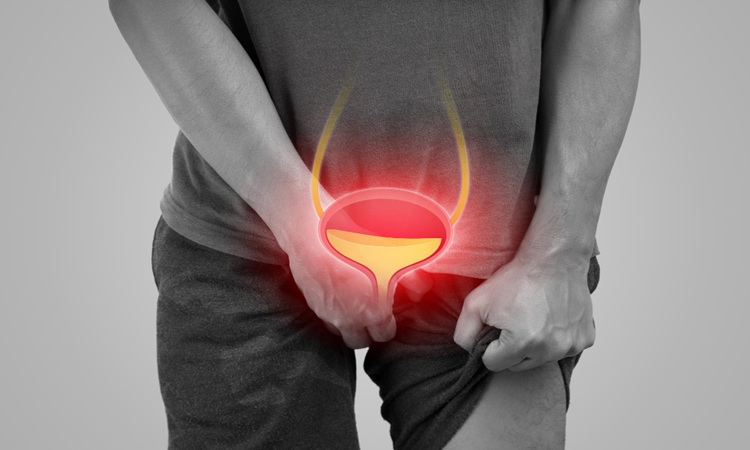
Six trips to the bathroom before noon. The count builds without meaning to, already explained before the person stops to question it. Three cups of chai first thing, a glass of water at breakfast. Identifying the twelve most common frequent urination causes requires looking further than what the person drank that morning.
Almost every cause produces the same surface experience. Urgency. Extra trips. Sleep broken when it used to be uninterrupted. Nothing about the bathroom visit itself points to what is behind it. Most people cut evening fluids and wait. For some causes that works. For others the underlying problem continues while a better explanation gets built around the symptom.
12 Common Frequent Urination Causes and What Each One Signals
Three of the most encountered causes sit in the territory of infection and bladder muscle function. Each produces urgency and frequency through a different mechanism, which is why the treatment for one produces no improvement in the other two.
-
Urinary Tract Infection
An infected bacteria gains a toehold within the linings of the urinary tract. The body sends in inflammatory cells to help fight the infection. You result with feeling you really gotta go, but when it happens your tank isn’t all the way full, and output comes accompanied by a slight burning sensation and a wee bit of painful output. Most can be successfully treated with a course of antibiotics. You need to worry if you seem to develop a urinary tract infection several times year after year: this likely involves some kind of underlying problem.
-
Over Active Bladder (OAB)
Your bladder muscle is more or less contracted on a regular basis, with no infection and no obvious structural problem. You’re suddenly driven to your feet because you gotta go, again… with no apparent cause related to the fullness of your tank. Doctors refer to it as Over Active Bladder and it can be treated once properly diagnosed.
-
Interstitial Cystitis
This bladder inflammatory condition is not associated with bacterial infection, but features like recurring frequencies of urination and the pelvic pain is strikingly similar to many of those associated with a Urinary tract Infection, so its often mistakenly for one of those: urine comes back all clear, but no round of antibiotics works.
How the Body's Chemistry Affects Urine Production
Blood sugar levels, hormonal signals, and medication side effects each carry direct pathways to how the kidneys handle water. When any of these fall out of balance, increased urine production is typically the first and most visible result.
-
Type 2 Diabetes
Blood glucose starts exceeding normal levels, and the kidneys begin to actively excrete it, and water volume to match. The trips, then the drinks become more frequent. Frequency bears no relation to amount consumed. Often several months goes by undetected until a blood test is ordered, because finally the pattern is noticed.
-
Diabetes Insipidus
A hormone which tells the kidneys to reabsorb water is absent or not working. Therefore huge quantities of diluted urine, no matter how much drunk is produced consistently. Does not involve blood glucose, and needs an entirely different hormonal profile than a standard blood test.
-
Side effects to medication
Diuretics (water retention, high BP medication) naturally cause excess urination as a design. Some anti-depressants (e.g., Lithium) and specific heart medications cause urination as a known side effect. There is usually no link made without specific investigation into current prescription usage and timing of symptom onset.
Structural, Hormonal, and Psychological Causes
Body structure, reproductive anatomy, and the nervous system each influence bladder behaviour in ways that are easy to attribute to something else. In all three cases below, the bladder looks normal on imaging while something upstream is driving the problem.
-
Benign Prostatic Hyperplasia
The prostate gland sits around the urethra in men. As it gradually enlarges, a process called benign prostatic hyperplasia that most men over fifty experience, it squeezes that passage, making the bladder work harder and rarely empty completely. Nocturia, waking specifically to urinate at night, is often the first sign. Most men put it down to evening water intake.
-
Pregnancy and Pelvic Floor Changes
During pregnancy, the growing uterus rests directly on the bladder and reduces its capacity. Urgency increases, particularly in the first and third trimesters. After delivery, a weakened pelvic floor continues producing urgency and frequency well past the postpartum period. Many women live with this pattern for months without connecting it to the delivery.
-
Anxiety and Chronic Stress
The nervous system governing bladder control responds directly to emotional state. When anxiety stays elevated, the urgency threshold drops and trips increase at lower fill volumes. The pattern worsens during stressful periods, improves partially when the anxiety settles, and that partial improvement is precisely what keeps the real driver uninvestigated.
Neurological, Urological, and Pathological Triggers
Some causes arrive from outside the bladder entirely. Disrupted nerve signals, a stone pressing nearby, or an early pathological process can each produce urgency and frequency without the signals most people associate with a bladder problem.
-
Neurological Conditions
Multiple sclerosis, Parkinson's disease, and stroke all affect the nerve pathways that carry signals between the brain and the bladder muscle. When those pathways are disrupted, the bladder receives incomplete instructions. Frequency and urgency follow in a pattern called neurogenic bladder, and managing it well requires both urology and neurology working in coordination.
-
Kidney Stones
A stone resting inside the ureter or near the bladder entry point irritates surrounding tissue continuously. The result is a persistent urge to urinate, often without the dramatic flank pain most people associate with stones. Smaller stones in particular can produce weeks of urinary frequency before anyone considers investigating the possibility of a stone as the cause.
-
Bladder Cancer
Increased urinary frequency is a documented early presentation of bladder cancer, typically alongside blood in the urine, though not always visible to the eye. Frequency that does not settle with antibiotics, paired with no confirmed infection, is precisely the pattern that warrants cystoscopy, a direct examination of the bladder wall, rather than another prescription.
When Urinary Frequency Points to Something Worth Investigating
A pattern of urinary frequency lasting two weeks or longer, regularly interrupting sleep, or arriving alongside changes in urine colour, smell, or comfort is not something to keep adjusting around. The typical response is behavioural. Bathroom before leaving. Fluids avoided after six. The nearest one quietly mapped in unfamiliar places. That addresses the inconvenience. It does not address the cause.
Getting to the root of frequent urination causes requires a urine test and a clinical history as the starting point. Where results are inconclusive, a blood glucose check, ultrasound, bladder diary, or cystoscopy fills the gap that routine analysis cannot. Each of the twelve causes above requires a different treatment approach. Treating the wrong one only delays finding what actually needs attention.
Situations that should not wait:
-
Blood in the urine, even once, even if it cleared on its own without treatment
-
Fever alongside flank pain and urinary changes occurring at the same time
-
Frequency building steadily over four to six weeks with no clear explanation for the change
-
Burning or urgency that does not settle after a complete antibiotic course
Most frequent urination begins with a reason that is identifiable and manageable once that reason is properly found. The twelve causes above represent the broad range of what urologists investigate in practice. Earlier identification almost always leads to a shorter and clearer path forward.
The urology team at RG Hospitals evaluates urinary frequency through clinical history, urine analysis, and imaging, with urodynamic assessment or cystoscopy added where the situation requires a closer look. Every evaluation starts with understanding what the patient is experiencing rather than fitting the complaint to the nearest obvious category. A clear diagnosis and a plan built around the specific case.
Categories
Hernia Repair
Appendicitis
Piles
Urological Treatment
Hernia treatment
Enlarged Prostate (BPH)
Gall Bladder Stone
Urinary / Kidney Stone
Vitamins
Indian Health Care System
Exercise
Obesity
Female Urinary Incontinence
Single Incision Laparoscopic Surgery (SILS)
Kidney Cancer
Bladder Cancer
Ovarian cancer
Nephrology
Bariatric Surgery
Kidney Function Test
Female Urology
Radiation Therapy
Alcoholic Fatty Liver
Liver disease
Gastroenterology
Kidney Disease
Nutrition & Health
Lung Cancer