Fatty Liver Disease: Fatty Liver Symptoms, Causes and Treatment
2026-11-23 / RG STONE HOSPITAL / Gastroenterology
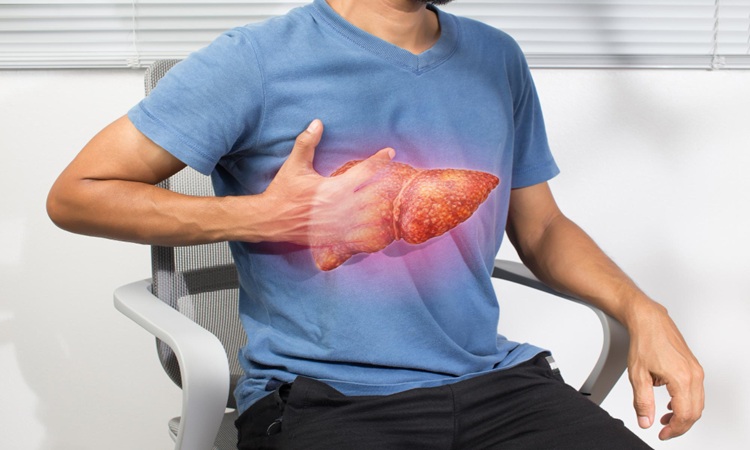
Fatty liver symptoms don’t always show up in the initial stages of the condition. You may be feeling perfectly fine, eating 3 meals a day and sleeping well. However, when you visit your clinic for a health check you may be told that you have fatty liver.
Fatty liver is much more common than many people think. In fact, millions of people in India have fatty liver, and most of those people may not know. Knowing fatty liver symptoms can help you spot issues early.
Common Fatty Liver Symptoms
In early stages, you may not notice any symptoms. You may be diagnosed with fatty liver via a blood test or scan for an unrelated issue.
As fatty liver symptoms begin to show, they can be fairly general and you may put them down to being run down.
Feeling persistently tired, general discomfort in the top right area of your abdomen, feeling full quickly, reduced appetite/weight loss and mildly increased liver enzymes in a blood test.
When to Be More Concerned
If fat begins to cause inflammation in your liver, you may begin to notice more concerning symptoms. Yellowing of the skin and eyes, swollen ankles/abdomen, dark urine, itchy skin and a tendency to bruise easily all indicate that your liver may be struggling. Please visit a doctor as soon as possible.
Common Fatty Liver Causes
The liver works hard to process what you eat and drink. Excess intake of too much sugar and fat in the diet can lead to excess fat being stored inside liver cells.
Lifestyle
-
Regular consumption of sugary drinks and foods, fried snacks, refined flours.
-
Sitting for long periods of time with little physical activity.
-
Drinking alcohol frequently or in large quantities.
-
Crash diets or rapid weight loss.
Medical Conditions
Although the above fatty liver causes are lifestyle based, there are many medical conditions that increase the risk of developing fatty liver. These include Type 2 diabetes, insulin resistance, obesity (particularly abdominal), high cholesterol, high triglycerides, thyroid issues, PCOS, sleep apnoea, and taking certain medications. A family history of fatty liver can also be a contributing factor. If you have a parent with fatty liver you should get checked for it at an earlier point in life.
MASLD is now commonly used by doctors for non-alcoholic fatty liver. However, it is essentially the same condition as fatty liver.
Severity of Fatty Liver
Usually, severity is determined using an ultrasound scan (sometimes alongside other tests). There are 3 levels of fatty liver.
Grade 1 Fatty Liver
At level 1, fat in the liver accounts for approximately 5-33% of total liver cells. The liver can function very well and most people may experience no symptoms at all. This is why many people may overlook it.
Can Grade 1 Fatty Liver be Reversed?
Grade 1 fatty liver can be reversed. By making a few simple lifestyle changes, over a few months, the fat in your liver can be significantly improved (or in some cases completely resolved). If left untreated however, it can progress to level 2, then 3 fatty liver, and may even cause scarring within the liver.
Effective Fatty Liver Treatment
Unfortunately, there is no miracle cure. However, the most effective fatty liver treatment is to make lifestyle changes.
Losing Weight and Getting Active
Losing between 5-10% of body weight can significantly reduce fat in the liver. Aim to get 150 minutes of moderate intensity activity per week (such as brisk walking, cycling or swimming) and add in some strength activities if possible.
Managing Underlying Causes
Get your sugar, cholesterol and BP levels back under control. Avoid alcohol, or limit as advised by your doctor. Get vaccinated against Hepatitis A and B to try to prevent further damage to a fatty liver.
Healthy Fatty Liver Diet
You don’t need to starve yourself! Simply make healthy swaps in your fatty liver diet.
Include
-
Lots of fruits and vegetables, particularly green leafy vegetables.
-
Wholegrain foods such as oats, brown rice and millet.
-
Legumes (dals), pulses, nuts and seeds.
-
Fish, eggs and lean chicken.
-
Small amounts of Olive or mustard oil.
-
Drinking unsweetened (or lightly sweetened) coffee has also been associated with improved liver health.
Avoid
-
Sweetened drinks, tinned fruit juices and sweet foods.
-
Items made with maida/white flour, white bread and items from bakeries.
-
Deep fried foods and processed foods.
-
Too much red meat.
-
Alcohol.
When to See a Doctor
If you are overweight, diabetic, have high cholesterol or a family history of liver disease, we recommend getting a blood test to check liver function and an Ultrasound once per year. If you have already been diagnosed with fatty liver, you should have regular follow-ups to allow your doctor to monitor changes.
Here at RG Hospital, we can help you get the right tests, create a plan to fit around you and support you with diet and exercise. The liver is very forgiving. With the right lifestyle changes, many people will see improvement in their liver.
Categories
Hernia Repair
Appendicitis
Piles
Urological Treatment
Hernia treatment
Enlarged Prostate (BPH)
Gall Bladder Stone
Urinary / Kidney Stone
Vitamins
Indian Health Care System
Exercise
Obesity
Female Urinary Incontinence
Single Incision Laparoscopic Surgery (SILS)
Kidney Cancer
Bladder Cancer
Ovarian cancer
Nephrology
Bariatric Surgery
Kidney Function Test
Female Urology
Radiation Therapy
Alcoholic Fatty Liver
Liver disease
Gastroenterology
Kidney Disease
Nutrition & Health
Lung Cancer