Understanding the ESR Normal Range in Female Patients
2026-05-29 / RG STONE HOSPITAL / Female Urology
Seeing a flagged number on a blood test report usually triggers immediate panic. You stare at the ESR normal range in female guidelines and wonder why your personal result is printed in bold red ink. This specific test does not diagnose a specific disease. It simply tells your doctor that your immune system is actively fighting something.
Most patients rush to the internet and immediately assume the worst possible outcome. An elevated number could mean a serious autoimmune condition, but it could also just mean you have a mild cold. Understanding exactly what this test measures helps you stop guessing and start asking your doctor the right clinical questions.
How the ESR Blood Test Actually Works
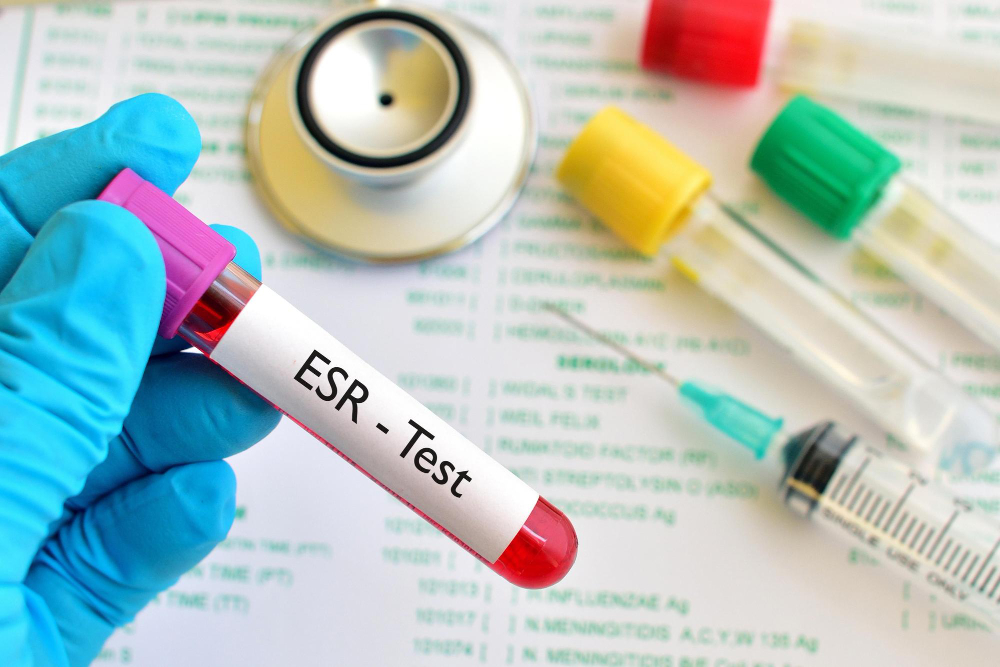
Before comparing your results to the ESR normal range in female charts, you must understand the basic mechanics of the test. ESR stands for Erythrocyte Sedimentation Rate. It measures exactly how fast your red blood cells fall to the bottom of a tall, thin test tube over the course of one single hour.
Normally, red blood cells drop very slowly and settle gently at the bottom of the tube. But when your body is fighting an active infection or dealing with severe inflammation, your liver releases specific protective proteins into your bloodstream.
Why Inflammation Makes the Cells Drop Faster
Those defensive liver proteins make your red blood cells incredibly sticky. The cells start clumping together, forming heavy, dense microscopic clusters. Because these clusters are significantly heavier than individual cells, they sink to the bottom of the test tube much faster than normal.
The laboratory technician simply measures the clear liquid left at the top of the tube after exactly sixty minutes. A higher measurement of clear fluid means the cells fell very quickly. That fast drop clinically confirms that heavy inflammation is currently active somewhere inside your body.
The Standard ESR Normal Range in Female Patients
The acceptable baseline numbers change significantly as you age. Your immune system naturally produces slightly more inflammatory proteins as you grow older. A completely healthy number for a young woman might flag as a severe concern for someone decades older.
A 25-year-old woman typically sees a healthy result falling anywhere between 0 and 20 millimetres per hour (mm/hr). Once a woman passes her fiftieth birthday, the acceptable healthy baseline shifts upward. A reading of up to 30 mm/hr is usually considered perfectly within the ESR normal range in female patients without any active symptoms.
A Confusing Afternoon in Delhi
Pooja, a 32-year-old teacher in Delhi, panicked when she received her routine health checkup results. Her ESR reading was 45 mm/hr, clearly outside the normal range printed on her laboratory sheet. She immediately spent three hours reading terrifying articles about lupus and severe bone infections.
She rushed to her general physician in absolute tears. The doctor simply asked if she had been sick recently. Pooja admitted she had fought off a severe sinus infection the previous week. The doctor explained the high number was just her immune system finishing its cleanup job. Her repeat test three weeks later was perfectly normal.
Why Your Numbers Might Show a Sudden Spike
An elevated result is not a final diagnosis. It is just a loud biological alarm bell. When the number jumps high, your doctor has to play detective to find the actual fire. Temporary spikes happen constantly for incredibly normal, non-threatening reasons that do not require aggressive medical treatment.
A heavy menstrual cycle can easily push the numbers slightly outside the standard range. A mild viral infection or a recent dental procedure also triggers enough inflammation to cause a noticeable jump.
The Role of Pregnancy and Anemia
Pregnancy completely alters your internal blood chemistry. A pregnant woman often shows significantly higher sedimentation rates starting in her second trimester. The numbers remain elevated for several weeks after delivery before slowly returning to her normal baseline.
Anemia also skews the final laboratory result heavily. When a patient lacks enough healthy red blood cells, the remaining cells naturally fall to the bottom of the tube much faster. The doctor must always cross-reference the ESR reading with a complete blood count to ensure anemia is not faking an inflammatory spike.
When High Numbers Indicate a Deeper Problem
Sometimes the alarm bell rings because a serious fire is actually burning. If your numbers remain consistently elevated across multiple different tests, your doctor will start looking for chronic conditions. Persistent inflammation damages healthy tissue and requires precise clinical management.
Doctors frequently use this specific blood test to monitor patients suffering from rheumatoid arthritis. The test helps them track whether the prescribed joint medications are actually reducing the painful internal swelling effectively over time.
Analysing Autoimmune and Systemic Conditions
Extremely high numbers, usually anything over 100 mm/hr, demand immediate medical investigation. A result that high rarely happens because of a simple cold. It strongly suggests the immune system is aggressively attacking the body's own healthy tissue by mistake.
These severe spikes often point toward serious conditions like temporal arteritis, where the blood vessels in the head become dangerously inflamed. The doctor will immediately order a much wider panel of specific blood tests and physical scans to pinpoint the exact origin of the massive immune response.
Why Doctors Never Rely on This Test Alone
You cannot diagnose a patient simply by watching blood cells drop in a glass tube. The test is incredibly sensitive to inflammation, but it is completely blind to the actual cause. It cannot tell the doctor whether the swelling is located in your swollen ankle or your infected throat.
Many modern clinics prefer to run a CRP (C-Reactive Protein) test alongside or instead of the older sedimentation rate. The CRP test measures liver proteins directly and responds to new inflammation much faster. Using both tests together gives the doctor a much clearer picture of your overall immune response.
Treating the Cause, Not the Number
You cannot simply take a pill to force your ESR number back into the normal range. The high number is just a shadow. You must turn around and address the actual object casting that shadow. Fixing the root cause automatically brings the blood chemistry back into perfect balance.
If a bacterial infection caused the spike, a basic course of antibiotics solves the problem. If a chronic joint issue elevated the reading, targeted anti-inflammatory drugs bring the numbers down over several months. Focus entirely on healing your body, and the laboratory results will naturally correct themselves.
Making Sense of Your Laboratory Report
Staring at a highlighted medical report causes unnecessary anxiety. A slightly elevated sedimentation rate rarely means your health is in immediate, catastrophic danger. It simply proves that your immune system is awake, active, and responding to a biological trigger exactly as it should.
You do not have to spend hours guessing what the numbers mean for your long-term health. Bring your laboratory reports directly to the clinical specialists at RG Hospitals. They evaluate the exact numbers alongside your physical symptoms to find the real source of the inflammation.
Categories
Hernia Repair
Appendicitis
Piles
Urological Treatment
Hernia treatment
Enlarged Prostate (BPH)
Gall Bladder Stone
Urinary / Kidney Stone
Vitamins
Indian Health Care System
Exercise
Obesity
Female Urinary Incontinence
Single Incision Laparoscopic Surgery (SILS)
Kidney Cancer
Bladder Cancer
Ovarian cancer
Nephrology
Bariatric Surgery
Kidney Function Test
Female Urology
Radiation Therapy
Alcoholic Fatty Liver
Liver disease
Gastroenterology
Kidney Disease
Nutrition & Health
Lung Cancer