Enlarged Prostate Symptoms Every Man Over 40 Should Know: Explained
2026-08-20 / RG STONE HOSPITAL / Enlarged Prostate (BPH)
Standing at the urinal at two in the morning waiting for something to happen feels annoying at first. You count ten seconds in your head before a slow trickle starts, figuring you just drank too much water before bed. Spotting early enlarged prostate symptoms usually begins with these quiet, easily dismissed nighttime delays.
As years pass, those small delays start happening during daytime office hours too. What feels like a temporary bladder glitch is actually your body working around a narrowing passage. Leave that bottleneck alone, and your bladder ends up grinding away against constant physical resistance.
What Every Man Over 40 Needs to Know About Enlarged Prostate Signs
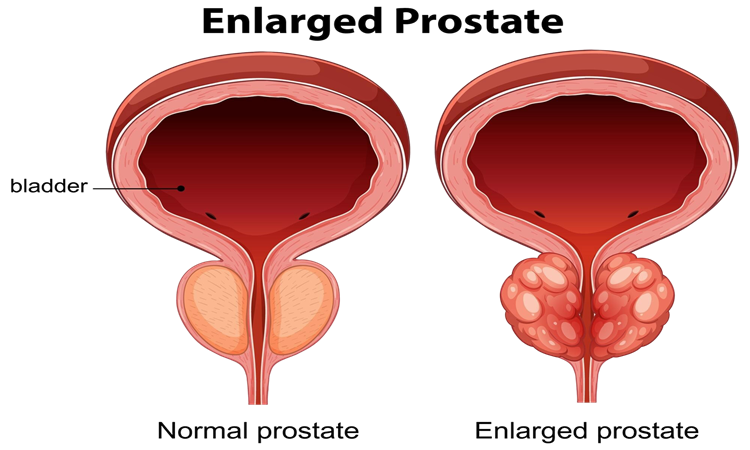
Prostate health rarely crosses a man's mind during his thirties. The gland itself sits right underneath the bladder, wrapping around the upper urethra like a tight sleeve. When tissue starts swelling with age, it squeezes that fluid channel tight. Your bladder responds by squeezing with extra force to clear urine. Year after year of that extra labor hardens the muscle wall, reducing storage space and triggering sudden, uncomfortable urges.
-
Waiting several extra seconds at the toilet before your stream actually begins.
-
Flow stopping halfway through, then starting up again five seconds later.
-
A few extra drops leaking out right after you zip up.
-
A noticeably softer spray force that drops straight down rather than arching.
When BPH Symptoms Start Disrupting Nighttime Rest
Daytime habits adapt without much thought. You take an extra bathroom break between work meetings and barely notice the interruption. Night hours tell a completely different story when waking up three times breaks your sleep into fragmented pieces.
These persistent BPH symptoms develop because the bladder loses its power to clear out completely. Trapped urine stays behind after every visit. That leftover fluid leaves almost zero storage space for fresh urine produced while you sleep.
|
Stage of Growth |
What You Feel Daily |
What Is Happening Inside |
|
Mild Stage |
Brief delay starting stream, waking once at night |
Mild narrowing of the inner urethral pipe |
|
Moderate Stage |
Sudden urgency, weak flow, waking two or three times |
Bladder wall thickens to force urine through |
|
Advanced Stage |
Continuous dribbling, straining, heavy fullness |
Bladder muscle tires out and retains fluid |
Understanding What Triggers Prostate Enlargement
Glandular expansion is a standard part of male aging. Hormonal changes involving dihydrotestosterone stimulate steady cell growth inside the prostate core across several decades.
Not every case of prostate enlargement brings severe urinary troubles. The direction of growth matters far more than overall size. Tissue growing inward against the pipe causes immediate flow issues. Outward growth often goes completely unnoticed for years.
-
Hormonal shifts that trigger gradual cell division over decades.
-
Direct family history, especially if a father or brother had flow issues.
-
Metabolic changes like high blood sugar that speed up tissue swelling.
Differentiating Prostate Signs from Other Conditions
It is surprisingly easy to misread what your lower body is trying to tell you. A guy in his fifties might feel a sharp burn, assume he picked up a basic bug, and try drinking extra water to clear it out. But bladder stones, nerve issues, and localized pelvic swelling often produce almost identical warning signs. Sorting out what is actually going on saves weeks of guessing and keeps minor issues from turning into major complications.
-
Bladder infections hit fast with sudden burning, cloudy fluid, or fever, unlike the slow, multi-year drop in stream power.
-
Overactive bladder causes intense muscular spasms without an actual physical bottleneck choking off your stream.
-
Prostatitis brings raw pelvic aching, fever, and sharp pain during or right after ejaculation.
What Happens When You Ignore a Narrowing Stream
Pushing through daily bathroom frustration will not stop internal tissue growth. When residual urine sits stagnant inside your bladder for hours, it creates an ideal setting for bacteria to thrive and mineral crystals to harden. Over time, that built-up liquid pressure travels backward into your upper urinary system. That backward force strains your kidneys long before you ever notice back pain or body aches.
[ Incomplete Emptying ] ? [ Trapped Urine Pools ] ? [ Backpressure in Ureters ] ? [ Chronic Kidney Strain ]
-
A sudden total blockage where no urine comes out at all, requiring urgent emergency room care.
-
Mineral deposits hardening into painful bladder stones inside pools of stagnant liquid.
-
Frequent urinary tract infections caused by leftover fluid sitting in the bladder day after day.
-
Silent kidney strain as trapped liquid backs up through the ureter tubes.
When to Get a Urological Checkup
Lingering flow changes are worth getting checked out before complications take root. A urological evaluation is quick, routine, and straightforward. Your doctor typically starts with a short conversation, a routine urine sample, a flow rate check, and a quick ultrasound scan. In just a few minutes, these tests reveal exactly how much liquid stays trapped after you try to empty your bladder.
-
Inability to pass urine paired with painful lower abdominal pressure.
-
Pink, red, or dark tea-colored blood appearing in your urine stream.
-
Fever and chills accompanied by lower back discomfort or severe burning.
-
Sharp pelvic pain sitting directly behind your pubic bone.
Treatment Pathways That Restore Daily Comfort
Getting checked by a doctor does not mean you are automatically headed for surgery. Most early cases respond well to simple daily habit tweaks and targeted prescriptions that relax tight muscle tissue around the gland. Modern outpatient procedures can also open up tight passages quickly with very little downtime. Catching things early keeps your daily routine intact and saves your bladder from long-term stretching.
-
Simple lifestyle changes like stopping fluid intake two hours before bed and easing off late-night caffeine or alcohol.
-
Daily oral medications that loosen tight prostate muscles or slowly reduce gland tissue size over time.
-
Fast, minimally invasive outpatient procedures that open up narrowed urethral passages so urine moves freely again.
Taking Charge of Your Urinary Health
Paying attention to quiet bathroom changes is the best way to keep small issues from taking over your nights. Men often assume that waking up exhausted or struggling at the urinal is just part of growing older. But identifying early enlarged prostate symptoms gives you a real chance to solve the issue before your sleep and bladder suffer long-term damage.
The urology specialists at RG Hospitals work with men every day to evaluate urinary flow, relieve stubborn BPH symptoms, and restore restful sleep. From advanced uroflowmetry diagnostics to minimally invasive care, their team helps you protect your kidney health and get back to living comfortably.
Categories
Hernia Repair
Appendicitis
Piles
Urological Treatment
Hernia treatment
Enlarged Prostate (BPH)
Gall Bladder Stone
Urinary / Kidney Stone
Vitamins
Indian Health Care System
Exercise
Obesity
Female Urinary Incontinence
Single Incision Laparoscopic Surgery (SILS)
Kidney Cancer
Bladder Cancer
Ovarian cancer
Nephrology
Bariatric Surgery
Kidney Function Test
Female Urology
Radiation Therapy
Alcoholic Fatty Liver
Liver disease
Gastroenterology
Kidney Disease
Nutrition & Health
Lung Cancer