Early vs Advanced Lung Cancer Symptoms Explained
2026-02-16 / RG STONE HOSPITAL / Lung Cancer
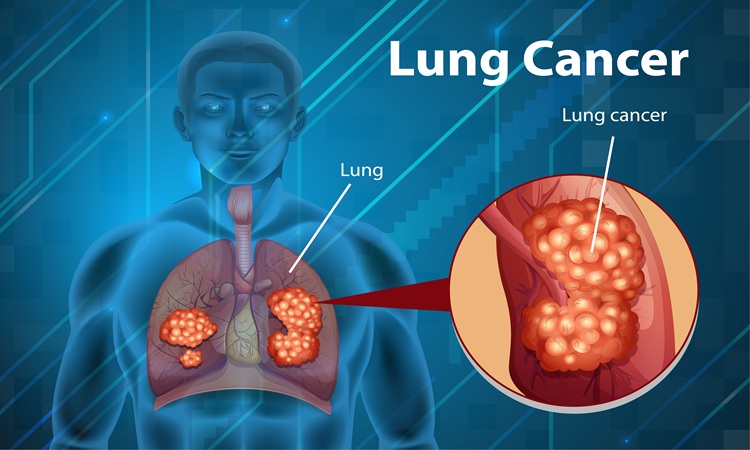
Lung cancer is one of the most common and serious cancers worldwide, largely because it is often detected at a later stage. One of the main reasons for delayed diagnosis is that early lung cancer symptoms can be subtle, easily overlooked, or mistaken for common respiratory issues. As the disease progresses, symptoms tend to become more noticeable and severe.
Understanding the difference between early and advanced lung cancer symptoms can play a crucial role in early detection, timely treatment, and improved outcomes. This blog explains lung cancer symptoms at different stages, warning signs to watch for, and when to seek medical help.
What Is Lung Cancer?
Lung cancer occurs when abnormal cells grow uncontrollably in the lungs, forming a tumour that interferes with normal breathing and oxygen exchange. It is broadly classified into two main types:
-
Non-small cell lung cancer (NSCLC) – the most common type
-
Small cell lung cancer (SCLC) – a more aggressive form that spreads quickly
Symptoms may vary depending on the type, size, and spread of the cancer.
Why Lung Cancer Symptoms Are Often Missed Early
In its initial stages, lung cancer may not cause noticeable symptoms. When symptoms do appear, they are often mild and resemble common conditions such as allergies, asthma, bronchitis, or a lingering cold. This is why early lung cancer symptoms are frequently ignored or delayed in seeking medical care.
Early Lung Cancer Symptoms
Early lung cancer symptoms are usually subtle and may come and go. However, paying attention to persistent or unexplained changes in the body is essential.
Common Early Lung Cancer Symptoms Include:
-
Persistent cough that does not go away or worsens over time
-
Mild chest discomfort or pain, especially while coughing or breathing deeply
-
Shortness of breath during routine activities
-
Frequent respiratory infections, such as bronchitis or pneumonia
-
Fatigue or weakness without a clear cause
-
Unexplained weight loss or loss of appetite
At this stage, lung cancer symptoms may not significantly interfere with daily life, which is why regular health check-ups and timely investigations are important, especially for high-risk individuals.
Advanced Lung Cancer Symptoms
As lung cancer progresses, symptoms become more pronounced and may indicate that the disease has spread to nearby tissues or other parts of the body.
Common Advanced Lung Cancer Symptoms Include:
-
Chronic cough with blood (hemoptysis)
-
Severe chest pain that may spread to the shoulders or back
-
Worsening shortness of breath, even at rest
-
Hoarseness or voice changes
-
Swelling of the face, neck, or arms due to pressure on blood vessels
-
Bone pain, headaches, or neurological symptoms if cancer spreads
-
Extreme fatigue and weakness
-
Recurrent or non-healing lung infections
Advanced lung cancer symptoms often affect overall quality of life and require immediate medical attention.
Key Differences Between Early and Advanced Lung Cancer Symptoms
|
Early Symptoms |
Advanced Symptoms |
|
Mild or occasional cough |
Persistent cough with blood |
|
Slight breathlessness |
Severe breathing difficulty |
|
Fatigue |
Extreme weakness |
|
Mild chest discomfort |
Intense chest or bone pain |
|
Often ignored |
Cannot be overlooked |
Recognising these differences can help individuals seek timely diagnosis and treatment.
Who Is at Higher Risk of Lung Cancer?
While lung cancer can affect anyone, certain factors increase the risk:
-
Smoking or exposure to second-hand smoke
-
Long-term exposure to air pollution or harmful chemicals
-
Occupational exposure to asbestos or industrial fumes
-
Family history of lung cancer
-
Previous lung diseases such as COPD or pulmonary fibrosis
People with these risk factors should be especially alert to lung cancer symptoms.
Diagnosis of Lung Cancer
If lung cancer symptoms are suspected, doctors may recommend diagnostic tests such as:
-
Chest X-ray or CT scan
-
PET scan to detect cancer spread
-
Bronchoscopy
-
Biopsy to confirm cancer type
-
Blood tests and pulmonary function tests
Early diagnosis significantly improves treatment options and outcomes.
When Should You See a Doctor?
You should consult a doctor if you experience:
-
A cough lasting more than three weeks
-
Blood in sputum
-
Persistent chest pain or breathlessness
-
Repeated lung infections
-
Sudden weight loss or fatigue
Early medical evaluation can make a life-saving difference.
Treatment Options for Lung Cancer
Treatment depends on the type, stage, and overall health of the patient. Options may include:
-
Surgery
-
Chemotherapy
-
Radiation therapy
-
Targeted therapy
-
Immunotherapy
Early-stage lung cancer often has more treatment options and better prognosis than advanced-stage disease.
Conclusion
Lung cancer symptoms can vary widely depending on the stage of the disease. While early lung cancer symptoms are often mild and easy to miss, advanced symptoms are more severe and disruptive. Recognising warning signs early and seeking timely medical care can significantly improve survival rates and quality of life.
At RG Hospitals, we provide comprehensive lung cancer care, from early diagnosis and advanced imaging to personalised treatment plans and compassionate support. If you or a loved one are experiencing symptoms that concern you, our experienced specialists are here to help at every step.
Early awareness saves lives. Don’t ignore the signs.
Categories
Hernia Repair
Appendicitis
Piles
Urological Treatment
Hernia treatment
Enlarged Prostate (BPH)
Gall Bladder Stone
Urinary / Kidney Stone
Vitamins
Indian Health Care System
Exercise
Obesity
Female Urinary Incontinence
Single Incision Laparoscopic Surgery (SILS)
Kidney Cancer
Bladder Cancer
Ovarian cancer
Nephrology
Bariatric Surgery
Kidney Function Test
Female Urology
Radiation Therapy
Alcoholic Fatty Liver
Liver disease
Gastroenterology
Kidney Disease
Nutrition & Health
Lung Cancer