Early Signs of Kidney Damage: Symptoms You Should Never Ignore
2025-12-15 / RG STONE HOSPITAL / Urinary / Kidney Stone
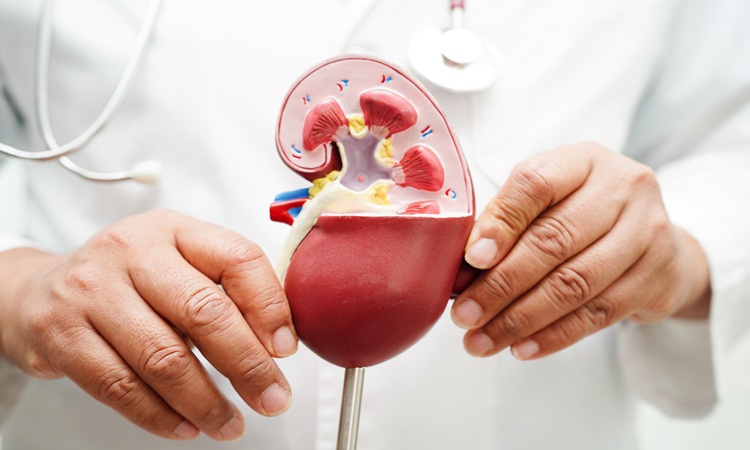
Your kidneys silently support your health every single day. From filtering waste to balancing fluids and regulating blood pressure, they perform essential functions without you ever noticing. But when the kidneys begin to fail, the damage often develops quietly—sometimes without clear warning until it's advanced. That’s why understanding the early signs of kidney damage is vital.
At RG Hospitals, our nephrology experts emphasize that timely recognition of these symptoms can prevent serious complications, including chronic kidney disease and eventual kidney failure. Here is everything you need to know about the subtle yet important symptoms of kidney damage you should never ignore.
1. Changes in Urination Patterns
One of the first kidney disease symptoms appears in your urine. Since kidneys filter toxins, any change in urine habits can indicate trouble.
Watch out for:
-
Foamy or bubbly urine (a sign of protein leak)
-
Frequent urination, especially at night
-
Reduced urine output
-
Pain or burning while urinating
-
Dark, pale, or bloody urine
Ignoring these urine changes can worsen kidney function without timely kidney screening.
2. Persistent Fatigue & Weakness
Healthy kidneys produce a hormone called Erythropoietin, which helps create red blood cells. When kidneys are damaged, the body cannot produce enough, leading to anemia.
This results in:
-
Constant tiredness
-
Low energy
-
Difficulty concentrating
If you are experiencing unexplained fatigue, it may be more than a lifestyle issue. It might be one of the early kidney failure symptoms.
3. Swelling in Feet, Ankles & Face
When kidneys fail to remove extra fluid, it starts accumulating in the body. This leads to noticeable swelling known as edema.
You may observe:
-
Puffiness around the eyes (often one of the earliest signs)
-
Swollen legs, feet, and ankles
-
Tightness in fingers or hands
At RG Hospitals, our kidney specialists treat such symptoms early to prevent long-term complications.
4. Lower Back Pain or Flank Pain
Pain on either side of the lower back—where your kidneys are located—may indicate:
-
Kidney infection
-
Kidney stones
-
Inflammation in kidney tissues
While back pain is common, pain accompanied by fever, vomiting, or urine changes should never be ignored.
5. High Blood Pressure That Doesn’t Improve
There is a deep connection between high blood pressure and kidney disease. Damaged kidneys fail to regulate blood pressure effectively, creating a dangerous cycle.
If your BP remains high despite medication, it may point to underlying kidney damage.
6. Dry, Itchy or Irritated Skin
Kidneys help maintain the right balance of minerals in your blood. When they stop functioning well:
-
Toxins accumulate
-
Electrolyte imbalance occurs
-
Skin becomes dry, itchy, or flaky
This is a commonly overlooked kidney health symptom but is a major indicator of chronic kidney disease.
7. Metallic Taste in Mouth & Bad Breath
When waste builds up in your bloodstream due to reduced kidney function, it causes:
-
A metallic taste
-
Bad breath
-
Loss of appetite
-
Weight loss
This condition, known as uremia, is a serious red flag.
8. Shortness of Breath
When kidneys fail:
-
Extra fluid can accumulate in the lungs
-
Anemia reduces oxygen supply
Both cause difficulty breathing. If breathlessness occurs without physical exertion, seek urgent evaluation.
Why Early Detection Matters
Kidney damage is often silent. By the time symptoms become intense, the kidneys may already be significantly impaired. Early treatment can:
-
Slow progression of chronic kidney disease
-
Prevent dialysis
-
Reduce the risk of cardiovascular problems
-
Improve overall health outcomes
At RG Hospitals, we offer advanced kidney screening, diagnostic tests, and comprehensive kidney care to identify and treat issues at the earliest stage.
When to Consult a Kidney Specialist?
You should meet a nephrologist if you notice:
-
Persistent changes in urination
-
Unexplained swelling
-
Constant fatigue
-
High BP despite treatment
-
Lower back or flank pain
-
Skin irritation or persistent itching
Early consultation ensures timely kidney damage treatment and helps preserve long-term kidney function.
Conclusion
Your kidneys deserve attention before symptoms become severe. Recognizing the early signs of kidney damage can save you from lifelong complications. Small changes in your daily health—like swelling, fatigue, or urine abnormalities—can be your body’s first warning.
RG Hospitals is committed to providing expert diagnosis, personalized care, and advanced treatments to ensure your kidneys stay healthy for life.
If you’re experiencing any warning signs, don’t delay—book your kidney screening at RG Hospitals today.
Categories
Hernia Repair
Appendicitis
Piles
Urological Treatment
Hernia treatment
Enlarged Prostate (BPH)
Gall Bladder Stone
Urinary / Kidney Stone
Vitamins
Indian Health Care System
Exercise
Obesity
Female Urinary Incontinence
Single Incision Laparoscopic Surgery (SILS)
Kidney Cancer
Bladder Cancer
Ovarian cancer
Nephrology
Bariatric Surgery
Kidney Function Test
Female Urology
Radiation Therapy
Alcoholic Fatty Liver
Liver disease
Gastroenterology
Kidney Disease
Nutrition & Health
Lung Cancer