What You Should Know About Early pregnancy symptoms
2026-05-08 / RG STONE HOSPITAL / Female Urology
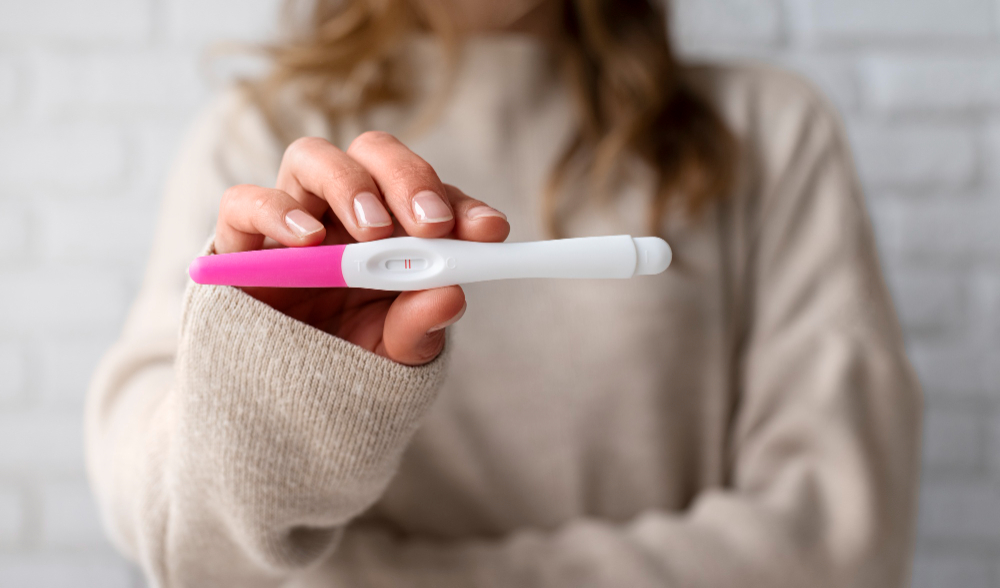
You notice the smell of garlic and suddenly need to leave the room. That is usually how pregnancy symptoms announce themselves. Women often wait for a delayed menstrual cycle, but the human body actually initiates sweeping physiological changes long before that happens.
The biological shift happens fast. Hormone levels multiply in the background to build a secure internal environment. This clinical guide explains the exact mechanics behind those confusing early weeks.
Tracking Early Pregnancy Symptoms Accurately
Identifying Early Pregnancy Symptoms requires looking past obvious indicators. Some patients feel completely normal for a month. Others notice sharp biological shifts within three days of conception. The endocrine system simply reacts differently for every individual.
The moment conception occurs, the body starts manufacturing Human Chorionic Gonadotropin. Home testing kits specifically look for this exact chemical marker. It essentially commands the ovaries to halt normal cycles and flood the system with estrogen.
The Mechanics Of Severe Exhaustion
Extreme fatigue usually arrives first. This is nothing like standard workplace tiredness. It is a heavy, physical drain that makes simple conversations feel impossible by midafternoon.
The sudden surge in progesterone acts directly on the central nervous system. It works like a clinical sedative. Your heart is simultaneously pumping harder to build a new vascular network, draining your daily energy reserves entirely.
Why Digestion Halts Completely
Progesterone relaxes the uterine wall to protect the pregnancy. Unfortunately, it does the exact same thing to your bowel muscles. Food sits in the digestive tract much longer than usual.
This biological delay extracts more nutrients but leaves patients feeling painfully bloated. Constipation follows almost immediately. The valve above the stomach also loosens, causing intense acid reflux after remarkably small meals.
The Reality Of Morning Sickness
The medical term is nausea and vomiting of pregnancy. Calling it morning sickness is highly misleading. The intense urge to vomit can wake patients at midnight or disrupt a crucial afternoon meeting without warning.
The rapidly rising estrogen alters how the brain processes sensory input. A patient might develop clinical dysgeusia, leaving a permanent metallic taste on the tongue. Smells that previously caused no reaction suddenly trigger aggressive gag reflexes.
-
Keep plain crackers on the bedside table
-
Avoid letting the stomach remain empty for long stretches
-
Chew sugarless mint gum to mask metallic tastes safely
-
Sip ginger tea to settle the stomach lining
Understanding Implantation Bleeding
A few drops of blood terrify most patients. They see light pink marks and assume a miscarriage is occurring. However, physical implantation often ruptures microscopic blood vessels in the uterine lining.
This physiological disruption causes mild spotting right when a normal cycle usually begins. The timing causes severe panic. Real implantation bleeding remains incredibly light and stops entirely without any clinical intervention.
Chest Tenderness And Rapid Swelling
Breast tissue responds to hormonal changes almost instantly. Patients frequently report heavy, aching breasts just days after conception. The discomfort mirrors pre-menstrual soreness but hits with much sharper intensity.
Blood flow to the chest increases drastically. The body is already laying the groundwork for future milk production. Wearing a seamless, supportive bra to bed often provides the only reliable relief.
The Sudden Increase In Bathroom Visits
Patients feel intensely frustrated by the constant urge to urinate. The fetus is barely the size of a seed, so physical bladder pressure is not the culprit. The actual cause is increased blood volume.
The kidneys must filter significantly more fluid than normal. All that extra processed waste goes directly to the bladder. Dehydration makes the situation worse, so patients must keep drinking water.
The Role Of Basal Body Temperature
Many women track their waking temperature to predict ovulation. This basal body temperature naturally rises slightly when an egg is released. If conception occurs, the temperature never drops back down.
Patients often wake up sweating. They assume a mild viral infection is starting. The reality is just an accelerated metabolism working hard to support new cellular division.
Recognizing True Medical Emergencies
Most early discomfort is clinically harmless. However, specific warning signs demand urgent medical intervention. Patients must never attempt to endure severe physical pain silently at home.
Ectopic pregnancies and early miscarriages present very clear clinical red flags. Recognizing the difference between normal hormonal aches and a genuine emergency saves lives.
-
Bright red vaginal bleeding that actively fills a sanitary pad.
-
Sharp, stabbing pain isolated to one side of the abdomen.
-
Vomiting that completely prevents the retention of basic fluids.
-
Fever accompanied by sudden chills or severe lower back pain.
-
Extreme dizziness that leads to fainting or loss of balance.
Managing Unpredictable Headaches
Rapidly expanding blood vessels trigger dull tension headaches. The vascular system widens to carry more blood, which occasionally drops overall blood pressure. This drop causes the lightheadedness patients feel when standing up.
Standard over-the-counter painkillers pose severe risks during gestation. Patients must consult a doctor before taking any tablets. Small protein snacks and consistent hydration remain the safest ways to prevent dizzy spells.
Why The Heart Rate Increases
The resting heart rate frequently jumps by ten to fifteen beats per minute. The cardiovascular system works drastically harder to push increased blood volume through the expanding vascular network.
Patients might notice sudden heart palpitations while simply sitting on a couch. This fluttering sensation is usually harmless. If chest pain accompanies the racing heart, a clinical check becomes mandatory.
Skin Breakouts And Early Acne
Hormonal surges impact the skin immediately. High levels of androgens push the sebaceous glands into overdrive. This massive oil production clogs facial pores rapidly, triggering aggressive acne breakouts.
Many patients find their usual skincare routines suddenly useless. Certain chemical exfoliants are strictly prohibited during gestation. Switching to a basic, unscented facial cleanser remains the safest dermatological response.
Handling The Intense Mood Swings
Emotional turbulence strikes without warning. A patient might feel perfectly content before bursting into tears over a television commercial. Estrogen and progesterone spikes heavily influence brain chemistry and neurotransmitters.
This mental exhaustion compounds the physical fatigue. The sheer unpredictability of these reactions leaves many women feeling completely out of control. These intense psychological shifts usually stabilize by the second trimester.
Safely Navigating The First Trimester
The initial weeks require profound patience. The human body is quietly executing a massive biological reconstruction project. Patients should consume mild foods and embrace the exhaustion rather than fighting it.
Guessing about every cramp creates unnecessary mental fatigue. If early signs remain confusing, consulting the specialists at RG Hospitals provides accurate clinical confirmation. Proper medical evaluation safely removes the anxiety of the unknown.
Categories
Hernia Repair
Appendicitis
Piles
Urological Treatment
Hernia treatment
Enlarged Prostate (BPH)
Gall Bladder Stone
Urinary / Kidney Stone
Vitamins
Indian Health Care System
Exercise
Obesity
Female Urinary Incontinence
Single Incision Laparoscopic Surgery (SILS)
Kidney Cancer
Bladder Cancer
Ovarian cancer
Nephrology
Bariatric Surgery
Kidney Function Test
Female Urology
Radiation Therapy
Alcoholic Fatty Liver
Liver disease
Gastroenterology
Kidney Disease
Nutrition & Health
Lung Cancer