Early Bladder Cancer Symptoms You Should Never Ignore
2026-10-12 / RG STONE HOSPITAL / Bladder Cancer
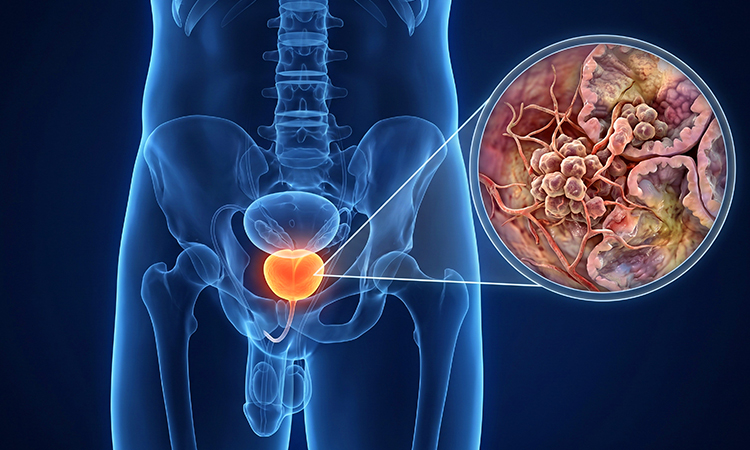
That confidence is the real problem. Bladder cancer caught before it grows into the muscle layer of the bladder wall is one of the more treatable cancers in urology. Caught late, the options and the outcomes shift considerably. The symptoms that separate early from late are subtle, intermittent, and built to be dismissed. This is a guide to not dismissing them.
Why These Symptoms Almost Always Get Explained Away
Bladder cancer does not announce itself dramatically. The early symptoms overlap almost completely with conditions that are far more common and far less serious. The same burning that points to a UTI can point to early bladder pathology. The same urgency that suggests overactive bladder in women can be an early sign of something inside the bladder wall. Nothing about these symptoms, on their own, reads as cancer.
The second reason they disappear into explanation is intermittence. The blood appears once and does not return for five weeks. The burning comes and goes. The urgency fluctuates. A pattern that keeps returning after a break does not feel urgent in the way that constant pain would. That intermittence is actually characteristic of early bladder cancer, which is why a recurring symptom that has been explained once deserves a second look rather than a second explanation.
Blood in Urine: The Sign That Needs Investigating Every Time
The earliest warning sign of bladder cancer (and also the earliest symptom of a medical condition that’s most likely to be missed or misdiagnosed) is the appearance of blood in the urine. This occurs in the absence of pain, or fever, or any obvious tell-tale sign that something serious might be wrong. Women may diagnose the cause as a UTI or spotting, and men as prostate problems or the side effects of strenuous activity.
It’s an early sign that must be followed up with both a urine test and, probably, referral to a urologist.
The blood may range from visible, that pink-red-rust colouration you might spot in the toilet bowl, to microscopic blood on a routine urinalysis. Sometimes patients report it as occurring at times, for example when they go for a run. That bloody sample is noted on an examination as “microscopic haematuria, grade1”, dismissed as insignificant and simply overlooked… The blood in urine isn’t considered to be serious until it occurs again and again, perhaps another six months later.
Other Urinary Changes That Appear Before Diagnosis
Blood in the urine is the most recognised early sign, but many patients present with other urinary changes that were present for weeks or months before blood appeared. These symptoms are far easier to dismiss and far more likely to be attributed to a UTI, the prostate, or lifestyle factors such as caffeine or fluid intake.
Symptoms patients commonly describe at the first consultation:
-
Urgency without infection: An immediate, difficult-to-defer urge to urinate with no bacteria confirmed on urine culture
-
Increased nocturia: Waking two or more times specifically to urinate when this was not previously the pattern
-
Intermittent burning: Present on some days and absent on others, not fully clearing after antibiotics
-
Pelvic discomfort: A dull ache in the lower abdomen or pelvic area without a clear musculoskeletal cause
None of these alone points clearly to bladder cancer. Two or three together, persisting and recurring without a confirmed infection, changes the picture considerably.
Who Carries the Highest Risk
Bladder cancer does not distribute evenly across the population. Certain exposures and histories place some people at significantly higher risk, and knowing where one sits within that picture should inform how quickly unexplained urinary symptoms get investigated.
The risk factors that matter most:
-
Smoking: Accounts for approximately half of all bladder cancer cases. Risk correlates with duration and quantity, but any significant history of smoking raises the baseline risk meaningfully.
-
Occupational exposure: Prolonged contact with aromatic amines in dyes, paints, rubber, leather, and printing industries is a documented occupational risk.
-
Chronic bladder infections: Repeated infections that were never fully resolved increase cellular irritation in the bladder lining over time.
-
Prior pelvic radiation: Radiation therapy to the pelvic area for another cancer is a recognised risk factor for secondary bladder pathology years later.
-
Family history: A first-degree relative with bladder or urinary tract cancer raises personal risk, though bladder cancer is less strongly hereditary than some other cancers.
How Urinary Bladder Cancer Is Staged and What That Determines
Diagnosis begins with urine cytology, where the lab examines cells from a urine sample for abnormal features. A suspicious cytology result leads to cystoscopy, where a thin scope is passed through the urethra so the urologist can examine the inside of the bladder wall directly. If any suspicious area is visible, a biopsy is taken in the same procedure.
Imaging follows the biopsy. A CT scan or MRI of the abdomen and pelvis shows whether urinary bladder cancer, once confirmed, is still contained within the bladder lining or has grown deeper into the muscle layer. That single distinction changes the treatment plan entirely. Non-muscle-invasive and muscle-invasive bladder cancer are effectively different diseases in terms of urgency, surgical approach, and long-term management.
What Treatment Looks Like Based on How Deep the Tumour Has Grown
For tumours that have not reached the muscle layer, TURBT, the transurethral resection of a bladder tumour, is the standard procedure. The tumour is removed through the urethra without any external incision. Recovery is typically one to two days. Following TURBT, intravesical therapy is started directly inside the bladder: BCG immunotherapy is the most widely used option and reduces the chance of recurrence significantly. Regular cystoscopy follow-up continues for years.
When the tumour has grown into the muscle layer, treatment becomes more intensive. Surgical removal of part or all of the bladder is often recommended, typically combined with chemotherapy given before or after the operation. For patients where surgery is not the right approach, radiation combined with chemotherapy allows bladder preservation in selected cases. Immunotherapy is now an established option for advanced cases, directing the immune system to recognise and target cancer cells rather than relying on traditional chemotherapy alone.
When to Stop Explaining It Away and See a Urologist
Most people eventually diagnosed with bladder cancer describe, looking back, a symptom that appeared months earlier and was given a reasonable explanation. The pink urine was beetroot. The burning was a UTI. The urgency was too much coffee. These explanations are sometimes correct. When the symptom returns after it was explained away, or does not fully settle despite appropriate treatment, that explanation needs revisiting.
A single episode of visible blood in the urine, even if it resolves and does not return for weeks, warrants a urine test and a urology referral. Burning or urgency that persists after a course of antibiotics needs direct bladder investigation, not a second course of the same medication. Waiting for the symptom to become dramatic is not patience. It is time lost in a situation where timing matters considerably.
At RG Hospitals, bladder cancer cases are evaluated through urine cytology, cystoscopy, and imaging before any treatment pathway is discussed. The staging process is thorough because every treatment decision that follows depends on what it reveals. Whether the finding turns out to be early and highly manageable or something that requires a more involved plan, the evaluation gives the patient and the team something precise to work from.
Categories
Hernia Repair
Appendicitis
Piles
Urological Treatment
Hernia treatment
Enlarged Prostate (BPH)
Gall Bladder Stone
Urinary / Kidney Stone
Vitamins
Indian Health Care System
Exercise
Obesity
Female Urinary Incontinence
Single Incision Laparoscopic Surgery (SILS)
Kidney Cancer
Bladder Cancer
Ovarian cancer
Nephrology
Bariatric Surgery
Kidney Function Test
Female Urology
Radiation Therapy
Alcoholic Fatty Liver
Liver disease
Gastroenterology
Kidney Disease
Nutrition & Health
Lung Cancer