Acute Kidney Failure Symptoms: Early Warning Signs You Should Never Ignore
2025-12-18 / RG STONE HOSPITAL / Urinary / Kidney Stone
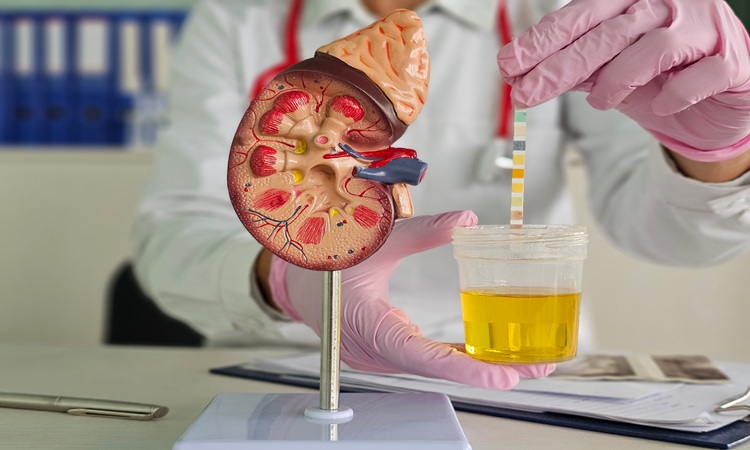
Acute Kidney Failure—also known as Acute Kidney Injury (AKI)—is a sudden and rapid loss of kidney function. It can develop within a few hours or days, leading to serious complications if not identified early. Recognizing acute kidney failure symptoms at the right time can make all the difference in preventing permanent kidney damage, hospitalization, or life-threatening emergencies.
At RG Hospitals, our expert nephrology team emphasizes the importance of understanding the early symptoms of acute kidney failure, especially for individuals with diabetes, hypertension, kidney stones, chronic infections, or existing kidney disease.
What Is Acute Kidney Failure?
Acute Kidney Failure occurs when the kidneys suddenly become unable to filter waste products, toxins, and excess fluids from the blood. When this filtration system slows down or stops working, harmful waste builds up inside the body, affecting almost every organ.
This condition may be reversible when treated on time—which is why knowing the signs of acute kidney failure is crucial.
Early Symptoms of Acute Kidney Failure
Many people miss the early red flags because the symptoms may seem mild or similar to common health issues. Here are the early symptoms of acute kidney failure you should never ignore:
1. Reduced Urine Output
One of the most noticeable acute kidney failure symptoms is a sudden drop in urine output.
You may:
-
Pass urine less frequently
-
Notice very dark or concentrated urine
-
Feel the urge to urinate but pass very little
In some cases, urine output may remain normal despite severe kidney injury—making it even more important to watch out for other symptoms.
2. Swelling in Legs, Ankles & Face
When the kidneys fail to remove excess fluids, they accumulate in the body.
This causes swelling (edema) in:
-
Feet
-
Ankles
-
Legs
-
Hands
-
Under the eyes
This swelling often progresses rapidly in acute cases.
3. Fatigue, Weakness & Low Energy
A sudden buildup of toxins in the blood can cause severe tiredness. Patients often describe:
-
Unusual weakness
-
Low stamina
-
Difficulty performing routine tasks
These early symptoms often appear before severe kidney failure develops.
4. Nausea, Vomiting & Loss of Appetite
When waste accumulates inside the bloodstream, it affects the digestive system.
Common digestive-related signs of acute kidney failure include:
-
Persistent nausea
-
Vomiting
-
Distaste for food
-
Metallic taste in the mouth
These symptoms worsen as toxins rise in the blood (uremia).
5. Shortness of Breath
Fluid buildup around the lungs (pulmonary edema) or anaemia caused by kidney injury may lead to:
-
Rapid breathing
-
Difficulty catching breath
-
Breathlessness even while resting
This is a warning sign that requires immediate evaluation.
6. Confusion, Difficulty Concentrating or Drowsiness
A sudden increase in toxins may affect brain function.
Patients may experience:
-
Brain fog
-
Confusion
-
Difficulty staying alert
-
Sleepiness
-
Mood changes
These neurological symptoms often indicate moderate to severe kidney dysfunction.
7. Chest Pain or Irregular Heartbeat
Fluid overload and changes in potassium levels (hyperkalemia) can trigger:
-
Chest discomfort
-
Irregular heartbeat
-
Palpitations
Severely high potassium levels can be life-threatening. Immediate medical care is essential.
8. High Blood Pressure
A sudden rise in blood pressure may be one of the early symptoms of acute kidney failure.
When the kidneys are not functioning properly, they fail to regulate fluid balance and blood pressure—causing sudden spikes.
Who Is at Higher Risk of Acute Kidney Failure?
You are more likely to experience acute kidney failure symptoms if you have:
-
Diabetes
-
High blood pressure
-
Heart disease
-
Chronic kidney disease
-
Severe infections
-
Kidney stones
-
Liver disease
-
Prolonged dehydration
-
History of major surgery
-
Long-term NSAID painkiller use
Understanding your risk factors can help in early detection and prevention.
When to See a Doctor?
Seek urgent medical help if you notice:
-
Sharp decline in urine output
-
Sudden swelling in the body
-
Severe nausea or vomiting
-
Extreme fatigue
-
Difficulty breathing
-
Chest pain
-
Confusion or drowsiness
Acute Kidney Failure progresses quickly. Timely treatment can prevent permanent damage.
Diagnosis of Acute Kidney Failure
At RG Hospitals, diagnosis includes:
-
Blood tests (Creatinine, BUN, electrolytes)
-
Urine tests
-
Ultrasound of kidneys
-
CT scan (if required)
-
Fluid balance assessment
These tests help identify the exact cause and severity of kidney injury.
Treatment at RG Hospitals
Treatment depends on the underlying cause and may include:
-
IV fluids for dehydration
-
Medications for infections
-
Stopping harmful drugs
-
Blood pressure management
-
Dialysis (temporary) in severe cases
Most patients recover fully when treated early—making awareness of acute kidney failure symptoms extremely important.
Your kidneys play a vital role in keeping your body balanced, clean, and healthy. Recognizing the early symptoms of acute kidney failure and understanding the signs of acute kidney failure can save your life or the life of someone you love.
If you or someone you know experiences any of these warning signs, don’t delay.
Visit RG Hospitals for expert nephrology care, early diagnosis, and timely treatment.
Categories
Hernia Repair
Appendicitis
Piles
Urological Treatment
Hernia treatment
Enlarged Prostate (BPH)
Gall Bladder Stone
Urinary / Kidney Stone
Vitamins
Indian Health Care System
Exercise
Obesity
Female Urinary Incontinence
Single Incision Laparoscopic Surgery (SILS)
Kidney Cancer
Bladder Cancer
Ovarian cancer
Nephrology
Bariatric Surgery
Kidney Function Test
Female Urology
Radiation Therapy
Alcoholic Fatty Liver
Liver disease
Gastroenterology
Kidney Disease
Nutrition & Health
Lung Cancer