Acid Peptic Disease Symptoms: Common Signs, Risk Factors and Ways to Manage It
2026-10-26 / RG STONE HOSPITAL / Gastroenterology
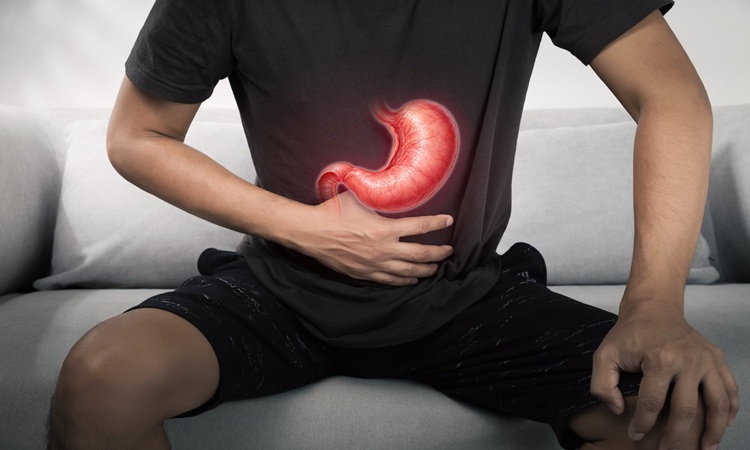
Most people have experienced heartburn after having a big meal. It’s a glass of chilled milk, some antacid, a grouchy night, and everything gets fine. The problem is when it keeps recurring. Acid peptic disease symptoms are so similar to common acidity that many people suffer from them for months and even years without seeking any treatment. In the meantime, acid can be eroding the lining of the stomach or the first part of the small intestine. This guide describes the disease, its symptoms, causes, and management.
Why Acid Peptic Disease Symptoms Get Written Off as Simple Acidity
The Diseases Of Stomach Acidity Is Another Popular Title For It. These diseases may occur due to some changes in gastric secretions which can be in the form of inflammation of the mucous membrane of the stomach; or ulcer in the stomach or at the start of the small intestine, and the burning in the esophagus which appears because of the rise of acid to it from the stomach. Various illnesses with one and only cause – destruction of the mucous membrane under the influence of acid.
The mucus layer of the stomach is rather thick. In case it is damaged or becomes ineffective due to the increased secretion of acid, then you get inflammation of the mucous stomach membrane. Gradually. That is the essence of it. At first, nothing happens. You suffer from burning and bitterness. The majority takes an anti-acid drug and feels relieved in 20 minutes. There was no problem. And this is when the trouble starts. Thursday again Sunday.
Peptic Ulcer Symptoms and Other Common Signs Beyond Normal Acidity
Peptic ulcer symptoms have a certain pattern, although this may not be easily recognized by many individuals. The pain is normally felt in the upper abdomen, under the rib cage, and the sensation is more of a burning sensation rather than a sharp one.
-
Upper abdomen pain: Enhanced by fasting and during night but relieved by eating and use of antacids.
-
Meal-related pain: Resulting from ulcers in the stomach and creates a fear of eating because of pain.
-
Bloating and belching sensation: Feeling full and generation of excess gas even when one takes a small amount of food.
-
Feeling of fullness and loss of appetite: Feeling full even after taking a little bit of food and no appetite at all.
-
Burning sensations and bitter taste: Refluxing of bile into chest and mouth, especially at the lying position
-
Awakening due to pain at night: Waking up in the early morning hours due to pain
One episode means little. A burn that returns for more than two weeks, or needs tablets every few days to stay quiet, is a pattern. Patterns are what doctors act on.
Acid Peptic Disease Symptoms That Should Never Be Waited Out
Some signs mean the ulcer has moved past irritation and into complications. These are not for home remedies.
-
Bloody vomits: This can either be bright red or black in color similar to coffee grounds
-
Tar black stools: The stools are sticky, malodorous and have an abnormal appearance indicating bleeding in the upper digestive tract.
-
Severe abdominal pain: A rigid abdomen and abdominal pain that is not relieved in any position indicating that the ulcer has perforated.
-
Repeated vomiting or trouble swallowing: Suggesting problems in passing down of food into the stomach
-
Weight loss, pale appearance or tiredness: Implies slow blood loss leading to anemia without presence of visible blood
Bleeding or a perforated ulcer is a medical emergency. Do not wait for the morning.
Acid Peptic Disease Causes and Who Is Most at Risk
Spicy food and stress get blamed for everything. They can aggravate the symptoms, sure, but the main acid peptic disease causes usually sit somewhere else.
-
Helicobacter pylori infection: It is an organism that resides in the lining of the stomach and infects the person during their childhood either via infection of food or water. The person gets infected throughout their life but never knows about it. This bacteria causes most of the ulcers.
-
Use of pain killers: Frequent use of aspirin, ibuprofen, diclofenac, or any other drug in people having back pain and arthritis problems.
-
Smoking: It causes delayed healing of ulcers as well as increases the chance of recurrence of ulcers.
-
Alcohol consumption: It leads to irritation of the lining of the stomach.
-
Poor dietary practices: Long gaps between meals, absence of consumption of breakfast, drinking of tea without eating anything.
-
Physical stress: Surgical operations, burns, or residing in intensive care units result in stress ulcers.
-
Other causes: Diseases leading to excess secretion of gastric juices such as Zollinger Ellison syndrome.
If you take a painkiller most days, tell your doctor. And do not stop any heart medicine on your own.
How Acid Peptic Disease Is Diagnosed and Why the Test Matters
Symptoms are not sufficient to differentiate between gastritis and ulcer or between an ulcer and the more serious condition. An upper GI endoscopy will be used to make the diagnosis. This involves putting a thin and flexible tube with a camera into the mouth under sedation or through a throat spray. This takes just a few minutes. The doctor will be able to look at the lining directly. A small tissue sample can be taken to test for H. pylori bacteria and to rule out cancer, which is quite similar to an ulcer.
The presence of H. pylori bacteria can be diagnosed without an endoscopy, using a stool test or urea breath test. The blood tests will detect anemia. Younger patients with mild symptoms and no warning signs will be tested and treated for the infection first. Older patients, as well as any patient with one of the warning signs mentioned above, will go through an endoscopy.
Acid Peptic Disease Treatment Depends on What Is Behind It
Good acid peptic disease treatment has two jobs. Calm the acid so the lining can heal, and remove whatever caused the damage. Do only the first and the ulcer tends to come back.
The main medications are acid-suppressive drugs, such as proton pump inhibitors. The treatment lasts from four to eight weeks, depending on the size of the ulcer. Terminating the treatment after two weeks just because the pain is gone is one of the most frequent mistakes. Improvement does not equal healing.
When H. pylori infection is detected, besides the acid-suppressing drug, antibiotics are prescribed for around two weeks. Do not terminate the treatment early. A test done after several weeks will confirm whether the bacteria are no longer present. Getting rid of the bacteria lowers the risk of relapse significantly.
If the cause of the problem is a painkiller, it is either terminated, changed, or protected by an additional medication, depending on the patient's needs. Bleeding ulcers are often treated endoscopically with the help of clips and injections to stop bleeding. Surgery is required rarely now.
These lifestyle modifications help to enhance the efficacy of the drugs. Eat frequently. Have small portions of food. Stay upright for two to three hours after each meal, quit smoking, drink less alcohol, raise the head end of the bed when you experience reflux at night. You may eat spices. Identify the triggers and avoid them.
When to Stop Managing It With Antacids and See a Gastroenterologist
However, when you ask patients who suffer from complicated ulcers, they will all give the same answer. It is because I have taken antacids for one year. It sounds logical, as antacids do work for some time but do not help at all in dealing with the infection, the painkillers, or the ulcers.
See a doctor if acid peptic disease symptoms last more than two weeks, come back as soon as the tablets stop, or arrive with weight loss, repeated vomiting or a poor appetite. Any of the warning signs listed above means going to hospital the same day. Please do not treat peptic ulcer symptoms with a stack of over-the-counter tablets for months.
At RG Hospitals, the gastroenterology team starts with a proper history and, where needed, an endoscopy and an H. pylori test, then builds a plan around the actual cause. Getting it checked once is usually far less trouble than managing it for years.
Categories
Hernia Repair
Appendicitis
Piles
Urological Treatment
Hernia treatment
Enlarged Prostate (BPH)
Gall Bladder Stone
Urinary / Kidney Stone
Vitamins
Indian Health Care System
Exercise
Obesity
Female Urinary Incontinence
Single Incision Laparoscopic Surgery (SILS)
Kidney Cancer
Bladder Cancer
Ovarian cancer
Nephrology
Bariatric Surgery
Kidney Function Test
Female Urology
Radiation Therapy
Alcoholic Fatty Liver
Liver disease
Gastroenterology
Kidney Disease
Nutrition & Health
Lung Cancer